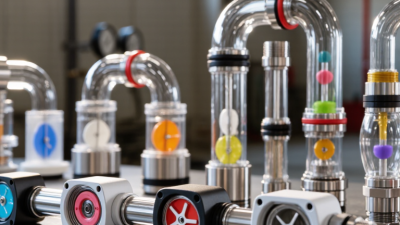
How to Choose a Water Flow Sight Glass in 2026?

Choosing a water flow sight glass in 2026 means looking beyond pipe size and price. The device should make flow visible while matching the system’s pressure, temperature, fluid, and connection requirements. A clear window is useful only when it remains readable under real operating conditions.

Picture a sight glass installed beside a pump: bubbles pass the window, the liquid changes color, and a thin deposit slowly gathers inside. These details can reveal changes, but they do not replace instruments or maintenance checks. Visibility matters. So does access for cleaning.

Before selecting a model, confirm the line size, expected flow direction, operating limits, and wetted materials. Check whether the viewing area suits the fluid and available lighting. Ask how the unit will be mounted and inspected, especially where vibration or limited access is present. Manufacturer drawings and technical data should support the choice; nominal ratings alone may not tell the whole story.

Some requirements are easy to overlook. A sight glass that works well in a clean water line may be unsuitable for another fluid or a different temperature range. That deserves a second look. This guide outlines practical selection points, from construction and readability to installation and upkeep. Not every system has a perfect fit, and a neat specification sheet can still leave questions. Verify uncertain details with the manufacturer or a qualified system professional before ordering.
How to Choose a Water Flow Sight Glass in 2026?

What a Water Flow Sight Glass Does and How It Works

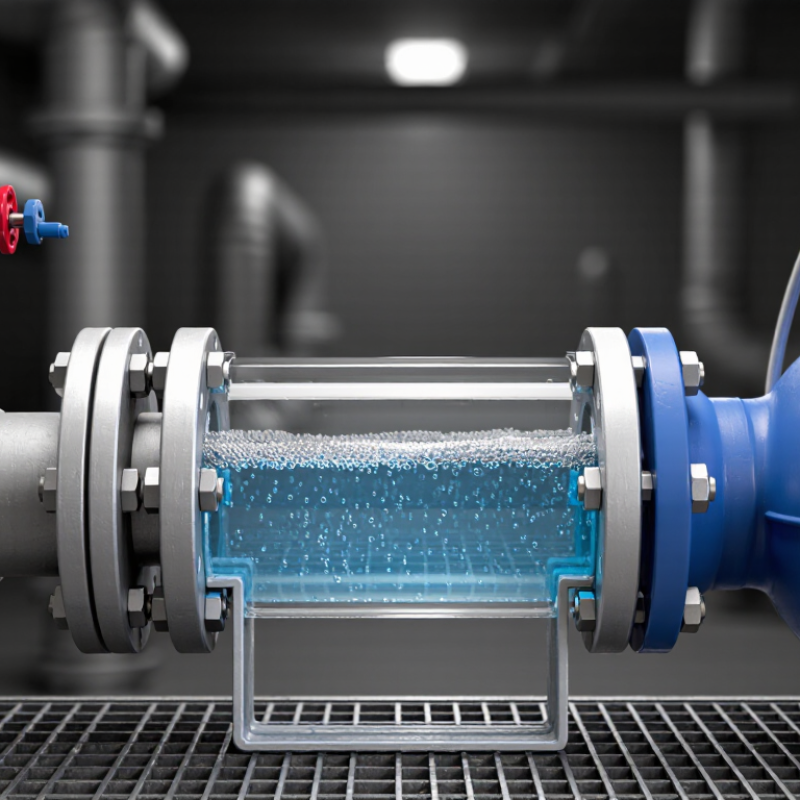
A water flow sight glass lets an operator see water moving through a pipe or chamber without opening the line. In a basic model, the transparent window shows movement, color, bubbles, and visible debris. Some designs add a rotor or indicator to make flow easier to spot. It is a visual check, not a precise flow meter. A cloudy window can mislead.

The principle is simple: water passes behind a pressure-rated viewing window, while the operator observes it under normal operating conditions. A steady stream may look reassuring, but it does not confirm a specific flow rate. The U.S. Geological Survey’s Estimated Use of Water in the United States in 2015 reports public-supply withdrawals of about 39 billion gallons per day. That scale makes monitoring useful, but a sight glass alone cannot account for water use. The U.S. EPA’s 2023 Drinking Water Infrastructure Needs Survey estimates $625 billion in drinking-water infrastructure needs over 20 years; it does not claim sight glasses solve those needs.

When choosing one, check pressure and temperature limits, window material, connection size, and compatibility with treated water or cleaning chemicals. Match the viewing direction to the installation; poor lighting can hide bubbles and slow flow. Fouling matters, too. A quick visual check is practical, but it depends on a clean window and a trained observer. That part is easy to overlook.

Which Operating Conditions Should You Assess First?

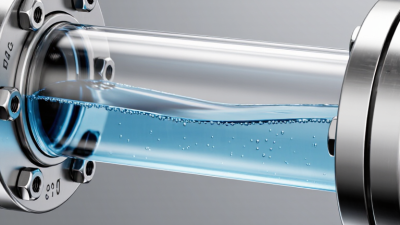
Before choosing a water flow sight glass, record the fluid, normal flow, pressure, temperature, and cleaning cycle. Include start-up and shutdown: pressure spikes or hot flushing can exceed steady operating values. Note whether the liquid is opaque, bubbly, or prone to deposits; a clear window may still show a poor reading. Check the installation angle and available lighting, too. Small details matter.

Material compatibility deserves careful review. NACE’s 2016 IMPACT study estimated global corrosion costs at US$2.5 trillion annually, or 3.4% of global GDP. That figure covers many industries, but it underscores why fluid chemistry and wetted materials should be checked together. The USGS estimated total U.S. water withdrawals at 322 billion gallons per day in 2015, illustrating the range of water-handling demands across applications. It does not specify sight-glass design limits. Ask the supplier for pressure and temperature ratings at your actual conditions, plus confirmation for solids, chemicals, and thermal cycling. A slightly awkward point: operators often know peak pressure, but not the temperature during cleaning. Measure both before specifying the assembly.

How to Match Materials and Design to Your System

A water flow sight glass should fit the fluid, operating conditions, and inspection task—not just the pipe size. Start with the fluid’s chemistry, temperature, pressure, and cleaning routine. These details guide the choice of body material, viewing window, and seals. Stainless steel may suit many process systems, while other fluids may require a different metal or a compatible non-metallic body. Check documented limits rather than relying on appearance. Details matter.

The window material needs equal care. Borosilicate glass often handles temperature changes better than ordinary glass, but suitability still depends on the actual service conditions. Confirm pressure ratings for the complete assembly, including its seals and connections. A strong window is not enough if the gasket swells or leaks. Not always.

Design determines what operators can really see. Match the sight glass’s bore and connection type to the pipe, and consider whether flow is steady or intermittent. A compact inline unit may fit a crowded skid, but a larger viewing area can make bubbles, color changes, or suspended particles easier to notice. Keep the installation orientation in mind; trapped residue can hide the view. One practical detail is easy to miss: a clear panel can still mislead when lighting is poor or the fluid coats its surface. Before specifying a unit, compare its ratings with the system data and ask how it will be inspected and cleaned in place.

Which Ratings and Standards Should You Verify?

A water-flow sight glass is a pressure boundary, not merely a viewing window. Verify its maximum working pressure at the actual operating temperature, including pump-start surges and water hammer. Check for vacuum exposure too. The body, glass, gasket, bolts, and seals must share a compatible pressure-temperature range. A rating for the glass alone may not cover the installed assembly. Labels can mislead.

For glass selection, ISO 3585:1998 specifies borosilicate glass 3.3, with a mean linear thermal expansion of about 3.3 × 10⁻⁶ K⁻¹. This figure helps assess thermal-shock risk, but it does not establish a safe pressure rating. Check the manufacturer’s documented pressure limits, temperature limits, test method, and glass dimensions for the complete unit. Where applicable, verify pressure-vessel design documentation against ASME BPVC Section VIII, Division 1, or EN 13445; their scope may not cover every inline sight glass. Confirm which code applies to your installation. Ask for traceable material and test records, then compare them with real operating conditions—not just the normal flow reading.

How to Choose a Water Flow Sight Glass in 2026? Which Ratings and Standards Should You Verify?

Use this conversion chart to compare operating pressure with a sight glass’s documented pressure rating. It shows unit conversions only—not product limits. Verify the manufacturer’s pressure–temperature rating, connection standard, materials, and applicable inspection or test requirements. ASME B16.5 and EN 1092-1 apply to flange connections; ISO 5208 or API 598 may apply to valve pressure testing where the product is within scope.

How to Install and Inspect Your Selected Sight Glass

Before installing a water flow sight glass, confirm its pressure and temperature ratings suit the actual line conditions. Check the glass for chips, scratches, or cracks under bright light.

Small defects matter.

Isolate and depressurize the pipe, then verify the flow direction against the housing marks. Align the pipework carefully; a sight glass should not carry the weight of a misaligned pipe. Use compatible gaskets, and tighten fasteners evenly to the specified torque. Excess force can damage the glass or distort the seal. Follow the manufacturer’s installation instructions, since designs differ.

After installation, restore pressure gradually and inspect every joint for leaks. Watch the viewing area during normal operation. A steady stream, recurring bubbles, or cloudy deposits can reveal changes worth investigating, but a clear window does not prove that the full system is healthy.

I have found that glare and poor lighting can make a quick visual check misleading. Use a flashlight at an angle, and record what you see under consistent operating conditions.

For cleaning or internal inspection, isolate and drain the line first; never open a pressurized assembly. Avoid abrasive tools, and use only cleaning methods approved for the glass and seals.

Note the inspection date and any change in flow appearance. One imperfect check is still better than assuming the sight glass needs no attention.