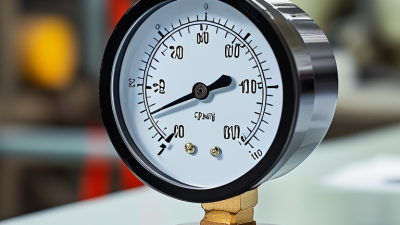
How to Choose a Flow Glass Indicator in 2026
Choosing a flow glass indicator in 2026 starts with a simple question: what must an operator see, and under what conditions? A clear tube may reveal bubbles, color changes, or an interrupted stream at a glance. But glass type, pressure rating, temperature range, fluid compatibility, and connection size matter just as much. A bright viewing window is not useful if the process fluid clouds it within weeks.
Market context helps, but it should not be mistaken for product guidance. Grand View Research estimated the global flow-meter market at about USD 9.6 billion in 2023 and forecast continued growth through 2030. That broad category includes many technologies; it does not establish demand or performance for glass indicators specifically. For selection, consult the manufacturer’s pressure-temperature charts and applicable installation guidance, such as ISO 4006 terminology for flow measurement. Then check the actual fluid, operating range, mounting position, and maintenance access. Small details matter. A trapped pocket of air can mislead.
A named expert quotation should only appear when its wording and source can be verified. I cannot substantiate a direct quotation from a flow glass indicator specialist here, so I will not invent one. That restraint matters: an indicator is a process component, not a universal solution. The right choice makes flow visible without making operators guess.
How a Flow Glass Indicator Works
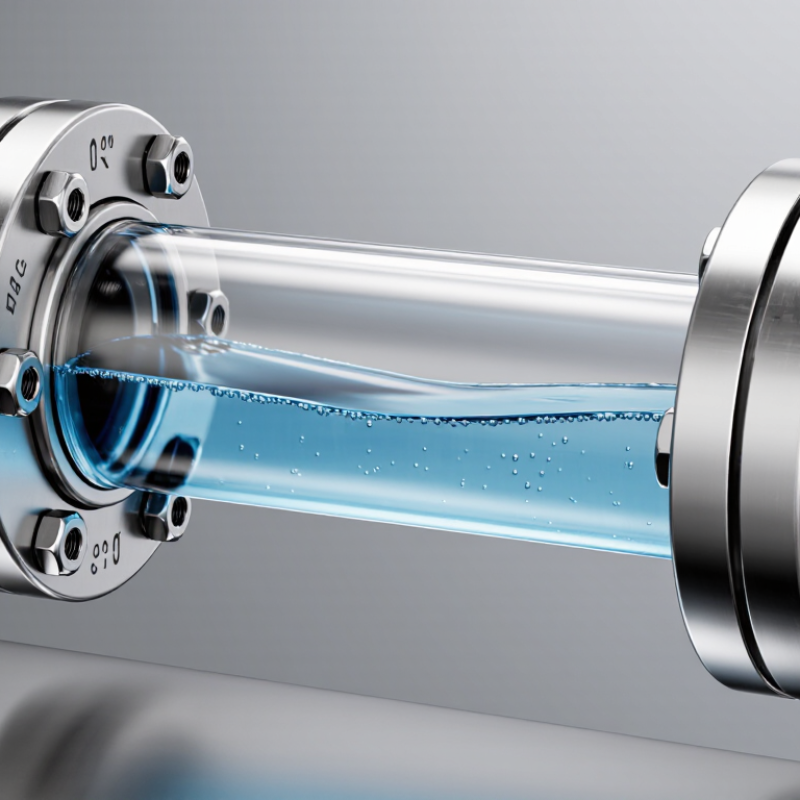
A flow glass indicator makes movement inside a pipe visible. In a common variable-area design, fluid passes through a tapered tube and lifts a float. As flow increases, the float rises; as flow falls, it drops. The position can be compared with a calibrated scale. Readings are meaningful only when the indicator is installed in the specified orientation and matched to the fluid and operating conditions. That detail matters. A simple sight-flow window works differently: it shows motion, color, or bubbles, but may not provide a measured flow rate.
Before interpreting a reading, check the scale, viewing angle, and unit markings. Looking from above or below can shift the apparent float position. Fluid viscosity and temperature can also affect the reading, so the calibration range should fit the actual service conditions. Bubbles, deposits, or a scratched tube may obscure movement. Small details count. Keep the viewing surface clean, and inspect it for damage during routine maintenance. A visual indicator is useful, but it is not infallible; changes can be subtle, and two observers may read the float slightly differently. If the indication seems inconsistent, compare it with another suitable measurement rather than guessing.
Which Process Conditions Define the Right Indicator
Choosing a flow glass indicator starts with process conditions, not pipe size.
Identify whether it carries water, oil, solvents, steam, or a mixed stream. Fluid chemistry can affect the viewing window, body, and seals over time. Check every wetted material for compatibility, especially when temperatures change during cleaning or startup.
Small details matter. Check the whole range.
Assess normal and upset pressure and temperature, including brief surges. Compare these values with the indicator’s rated limits, not just typical operating figures. Viscosity and flow rate affect visibility: thick oil may move slowly, while a clear, fast stream can be hard to judge. Bubbles, suspended particles, and dark fluids may call for different viewing arrangements or lighting.
Mounting orientation, available straight pipe, and vibration also influence readability. Connection size alone is an easy trap. Ask for test information using a fluid and flow range close to yours; real-world visibility can be difficult to infer from a data sheet. Confirm maintenance access and replacement seal availability before installation.
How to Match Materials, Pressure, and Temperature Ratings
A flow glass indicator must match the fluid, not just the pipe connection. Start with the wetted parts: check fluid chemistry, cleaning agents, and possible contaminants. For acidic or saline service, verify the body alloy and gasket against documented chemical-resistance data. Borosilicate 3.3 is often selected for its low thermal expansion. ISO 3585:1998 gives a mean expansion of about 3.3 × 10⁻⁶ K⁻¹ over 0–300°C. That figure helps compare glass types, but it does not guarantee resistance to sudden temperature changes. A hot window hit by cold wash water can still crack. Small details matter.
Compare operating pressure with the indicator’s pressure-temperature curve, not just its room-temperature rating. Include startup surges, vacuum conditions, and temperature at the glass-to-metal seal. ASME BPVC Section VIII provides pressure-vessel design rules where applicable, but the assembled indicator’s certified limits are what matter. Check each component: the gasket, glass, bolts, or housing may set the lower limit. Ask for traceable test data at the intended operating conditions. I would also check whether cleaning cycles exceed the stated temperature range; that detail is easy to overlook.
How to Compare Visibility, Connection Types, and Installation Needs
When choosing a flow glass indicator in 2026, start with what operators must see.
A clear window may reveal bubbles, color changes, or suspended particles, but visibility depends on the fluid and lighting. Check whether the viewing area remains readable under expected operating conditions. Looks matter. A rotor or flap can make movement easier to notice, while a plain window may suit simple visual checks. Deposits can obscure either type, so consider cleaning access and inspection frequency. A clear window can still mislead if the process fluid coats its surface.
Connection type affects both compatibility and maintenance.
Compare threaded, flanged, and sanitary-clamp ends with the existing pipework and required cleaning practices. Confirm dimensions, sealing method, and material compatibility rather than relying on nominal pipe size alone. Small mismatches matter. An adapter may solve a connection problem, but it can add leak points or installation length. Check the indicator’s pressure and temperature ratings against actual service conditions, including brief operating changes.
Plan the installation before ordering.
Allow room to read the indicator, remove it, and reach nearby valves. Verify the permitted flow direction and mounting orientation in the supplier’s technical documentation; some designs are orientation-sensitive. Consider vibration, support, and whether the indicator sits where staff can safely inspect it. I would not assume the easiest-to-see position is automatically the best one. Maintenance access and piping constraints can change that decision.
Which Safety Standards and Maintenance Requirements to Check
When choosing a flow glass indicator, verify its pressure and temperature ratings against the actual operating envelope, including start-up surges and cleaning cycles. Check that the body, seals, and viewing window suit the process fluid; a compatible glass can still fail if its gasket swells or corrodes. ASME B31.3 provides a framework for process-piping design, materials, inspection, and testing. For equipment mounted on a vessel, also confirm the applicable vessel code and installation requirements. Do not assume one standard covers every assembly.
Ask for material certificates, pressure-test records, and documented limits for thermal shock. API 570 offers an inspection framework for in-service piping, but it does not set one universal replacement interval for every sight glass. Set checks according to service conditions and the supplier’s instructions. Look for cloudy glass, hairline cracks, leaks, loose fasteners, or deposits that hide flow. Small signs matter.
Maintenance deserves attention. NACE’s 2016 IMPACT study estimated corrosion costs at US$2.5 trillion globally, or 3.4% of global GDP; it also found prevention practices could reduce costs substantially. That estimate covers many industries, not flow indicators alone. Still, it shows why corrosion checks and records matter. Keep a simple log of inspection dates, fluid changes, and unusual temperature events. A visual check can miss damage beneath a seal, so replace parts when inspection guidance calls for it—even if the glass still looks clear.
How to Choose a Flow Glass Indicator in 2026: Safety and Maintenance Checks
How to read the chart: The horizontal axis shows when to perform each check, not a fixed time interval. Set routine inspection frequency using the manufacturer’s instructions and your site’s risk-based procedures. Before selection, confirm the indicator’s pressure and temperature ratings and materials are suitable for the process fluid.
Standards to check: Confirm which codes and regulations apply to the installation and location. ASME B31.3 may apply to process piping; the EU Pressure Equipment Directive (2014/68/EU) applies to pressure equipment within its scope. ISO 9001 concerns quality management and is not, by itself, a product safety certification.