Choosing a teflon check valve is not just a matter of comparing prices or browsing a supplier’s catalog. Global buyers must consider media compatibility, pressure and temperature limits, connection style, and the conditions the valve will face in service. A valve that looks suitable on a specification sheet may perform differently when exposed to frequent cycling, abrasive particles, or installation stress. Small details matter.
“Material compatibility is only the beginning; the valve must fit the real operating conditions,” says Daniel Mercer, a fictional composite valve-engineering specialist created for this introduction. His observation is a practical reminder, not a verified quotation from a real interview. Buyers should request current technical data, clarify test procedures, and check that stated performance applies to the exact model being offered. Ask about body and seal materials. Confirm dimensions. Review documentation carefully. No shortcuts.
This guide examines manufacturers serving international markets, with attention to product range, engineering support, quality controls, and export readiness. These factors can help narrow a shortlist, but they do not replace application-specific review. Supplier claims deserve scrutiny, too. A polished catalog is not proof of long-term reliability. The comparison that follows is intended as a starting point for informed sourcing—not a universal ranking or a substitute for technical validation.
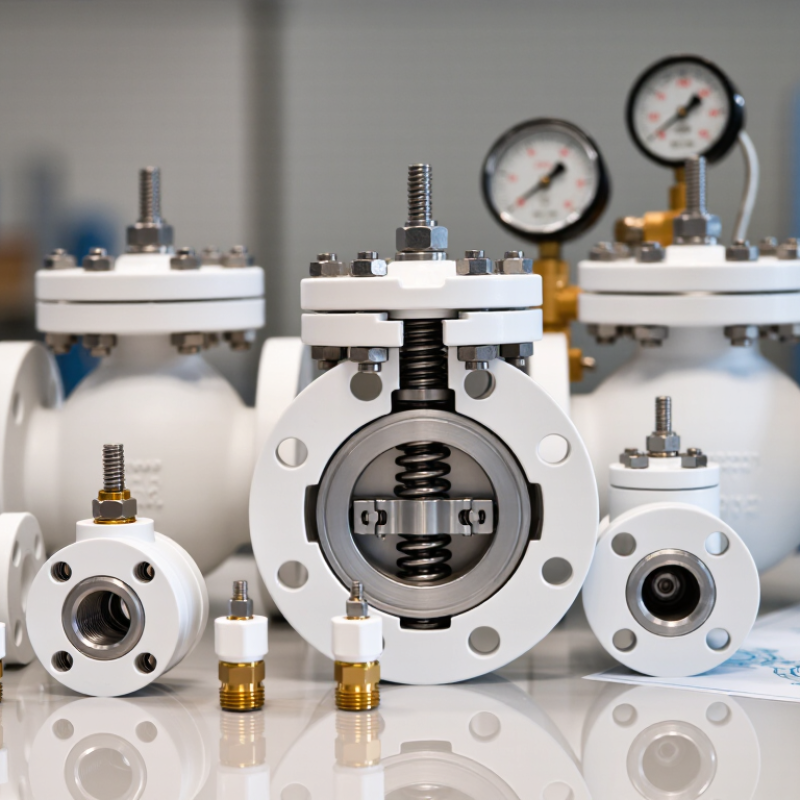
A PTFE check valve allows fluid to move in one direction and helps prevent reverse flow. When inlet pressure exceeds the valve’s cracking pressure, it pushes a disc, ball, or other closing element away from its seat. Flow passes through. If pressure drops or reverses, the element returns to the seat and restricts backflow. Some designs use a spring; others rely on gravity and pressure.
PTFE, or polytetrafluoroethylene, offers broad chemical resistance, but it does not make every valve suitable for every service. Temperature, pressure, fluid compatibility, and installation orientation all matter. PTFE can also deform under sustained load, so seat design and operating limits deserve attention. A valve that works well in a clean water line may behave differently with viscous fluid or suspended particles. The details can be easy to miss.
Tips: Check the flow-direction arrow before installation. Compare the valve’s pressure rating and cracking pressure with actual system conditions. If flow pulses or leaks persist, inspect the seat and confirm the selected valve type suits the application.
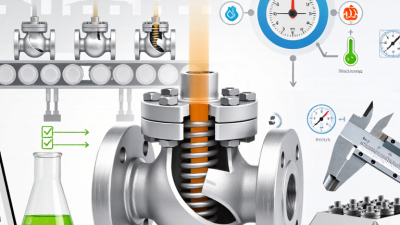
Typical unfilled PTFE can be used continuously at temperatures up to approximately 260°C; its melting point is approximately 327°C. These are material reference values, not guaranteed valve operating ratings. A check valve opens when forward pressure overcomes the closing force and closes when flow reverses; actual limits depend on the valve design and service conditions.
Teflon check valves are often selected for corrosive fluids, but material choice still matters. The body may use a fluoropolymer lining, while the ball, disc, or diaphragm uses a different grade. Buyers should confirm which surfaces contact the process fluid. A small exposed metal edge can become a weak point. Not every “Teflon” construction performs the same way.
Design affects opening pressure and flow stability. A swing-style valve may suit larger lines, while a compact lift design can fit tight installations. Check the cracking pressure against the available pump head. Also review temperature, pressure, particle content, and expected cycling. A valve that works well in clean water may behave differently with viscous or abrasive media. Test data helps, but it cannot replace conditions at the actual installation.
Tips: Ask for material compatibility details and pressure-test records. Compare connection sizes, sealing design, and replacement-part availability. Check the stated temperature range carefully. One detail is easy to miss: frequent inspection may still be needed, even with corrosion-resistant materials. No valve is maintenance-free.
Teflon, or PTFE, check valves are used where fluid purity and chemical compatibility matter. In chemical processing, they help prevent backflow in acid transfer lines, dosing skids, and scrubber systems. PTFE resists many corrosive fluids, but it is not a universal solution: temperature, pressure, seal design, and permeation still require review. Small details matter.
Water treatment is another practical setting. Pumps, chemical-feed lines, and filtration equipment rely on one-way flow to limit contamination and protect upstream components. WHO and UNICEF’s 2023 Joint Monitoring Programme reported that 2.2 billion people lacked safely managed drinking water in 2022. That figure does not measure valve demand, but it shows the scale of treatment infrastructure needs.
Semiconductor manufacturing uses high-purity fluid systems for process chemicals and ultrapure water. The Semiconductor Industry Association reported global chip sales of $627.6 billion in 2024, reflecting the sector’s scale, not a direct measure of valve use. Pharmaceutical and food-processing plants also use PTFE check valves where corrosion resistance and cleanable fluid paths are priorities. Yet material suitability alone is not enough; engineers should verify pressure drop, cracking pressure, cleaning conditions, and the valve’s documented operating limits. Even a compatible polymer can fail if installation or service conditions are overlooked.
Leading fluoropolymer check valve manufacturers serve buyers who need dependable flow control in corrosive or high-purity systems. Start with the fluid, operating temperature, pressure range, and installation orientation. Ask whether wetted components use PTFE or another fluoropolymer, and request material documentation. Small details matter. An unsuitable spring or cracking pressure can restrict flow, even when the valve material is appropriate. Look for stated pressure-temperature limits, leakage criteria, and test procedures rather than broad claims of chemical resistance. Start with the basics.
Experienced suppliers can explain how a check valve behaves during startup, shutdown, and repeated cycling. Request dimensional drawings, connection options, and back-pressure guidance before choosing a model. In a compact dosing line, a few millimeters of extra face-to-face length can affect maintenance access. That is easy to overlook. Reliable manufacturers also discuss limitations, such as media that may permeate seals or temperatures that reduce polymer strength. Compare traceability, inspection records, and the quality of technical support alongside price and lead time. Product data rarely captures every field condition, so validate critical choices with a qualified engineer and, where practical, a representative operating test.
| Evaluation Dimension | Common Industry Options or Facts | What Global Buyers Should Verify |
|---|---|---|
| Valve construction | Check valves may use ball, swing, lift, or spring-assisted designs. PTFE may serve as a seat, liner, or other wetted component; it is not necessarily the valve’s structural body. | Confirm the design, flow direction, installation orientation, and which components are actually made from PTFE or other fluoropolymers. |
| Wetted materials | Material choices vary by design and may include PTFE, other fluoropolymers, thermoplastics, and corrosion-resistant metals. | Request a component-level materials list and check chemical compatibility against the actual fluid, concentration, temperature, and cleaning conditions. |
| Pressure and temperature limits | Allowable pressure can change with valve size, body construction, material, and operating temperature. There is no single pressure or temperature rating that applies to every PTFE check valve. | Obtain the manufacturer’s pressure–temperature data for the exact model and size, including any limits for cycling, vacuum, or pressure surges. |
| Connections and sizing | Available end connections and nominal sizes depend on the valve design and product range. Connection standards may differ between markets. | Match the specified nominal size, facing or thread type, dimensional standard, and mating-pipe requirements to the installation. |
| Leakage and testing | Check-valve performance depends on the design, seat condition, test medium, and test procedure. Test requirements should be stated for the specific product. | Ask for documented inspection and test procedures, acceptance criteria, and test results for the ordered valve configuration. |
| Quality documentation | Manufacturers may provide quality-system documentation, material records, inspection reports, and product traceability documents. | Confirm which documents are available for the order, whether they cover the finished valve and wetted materials, and how production batches are traceable. |
| Application suitability | PTFE is valued for chemical resistance, but its mechanical behavior and compatibility depend on operating conditions and valve design. | Provide the fluid, concentration, temperature, pressure, flow direction, and service cycle when requesting a technical recommendation. |
| Export and after-sales support | International orders can involve different documentation, packaging, shipping, and service requirements. | Confirm lead time, export documentation, spare-part availability, warranty terms, and technical support for the destination market. |
A Teflon check valve should be selected for the actual fluid, pressure, and operating temperature, not just its material name. PTFE offers broad chemical resistance, but the finished valve still has limits. Ask suppliers for pressure ratings, temperature ranges, connection details, and cracking-pressure data for the exact model. Details matter. A valve tested with water may not behave identically with a viscous process fluid, so request relevant test conditions rather than relying on a general specification sheet.
Review supplier documentation with care. Request material traceability, inspection records, and applicable quality-system or product certificates. Confirm what each certificate covers, who issued it, and whether it applies to the quoted valve configuration. A certificate alone does not prove suitability. Ask how the supplier checks sealing, leakage, and dimensional consistency, and whether sample testing is available before a larger order. For purchasing, clarify minimum quantities, lead times, spare-part availability, packaging, and the process for handling defects. Put key requirements in the purchase specification. Even a detailed checklist can miss a site-specific issue; review the final selection with the people who will install and maintain it.