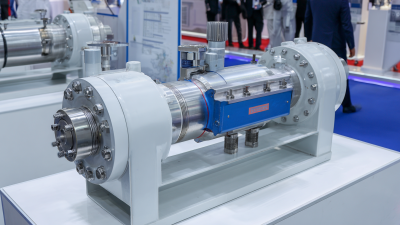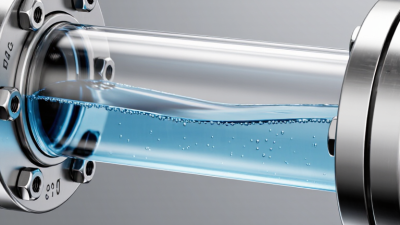
For global buyers, identifying China’s top flow tronics manufacturers requires more than comparing catalog prices. A dependable supplier must demonstrate stable production, accurate calibration, responsive communication, and clear technical documentation. Buyers should examine flow ranges, media compatibility, pressure ratings, temperature limits, and signal options before requesting a quotation.
Dr. Béla G. Lipták, a respected process-control author, expressed a useful engineering principle: “Understand the process before selecting the instrument.” That idea remains highly relevant to flow tronics sourcing. A compact electromagnetic flowmeter may suit conductive water, but it may fail for oils, gases, or abrasive slurries. Small details matter. Lining materials matter. Grounding matters. Installation length matters.
Leading Chinese manufacturers often support magnetic, vortex, turbine, ultrasonic, Coriolis, and thermal mass flow technologies. Some provide customized connections, Modbus communication, remote displays, and factory calibration reports. Others offer attractive prices but provide limited after-sales guidance. This difference can affect commissioning time, maintenance costs, and measurement confidence.
A careful evaluation should include ISO-certified quality systems, traceable calibration, product testing records, sample approval, and spare-parts availability. Independent verification is still wise. Marketing language can sound stronger than field performance. I have seen specifications look complete while installation instructions remained vague. That gap deserves attention.
This guide examines manufacturers through practical criteria rather than popularity alone. It considers application experience, export capability, technical support, customization, and long-term reliability. No supplier is perfect. The strongest choice depends on the process, site conditions, compliance needs, and the buyer’s willingness to verify every important claim.
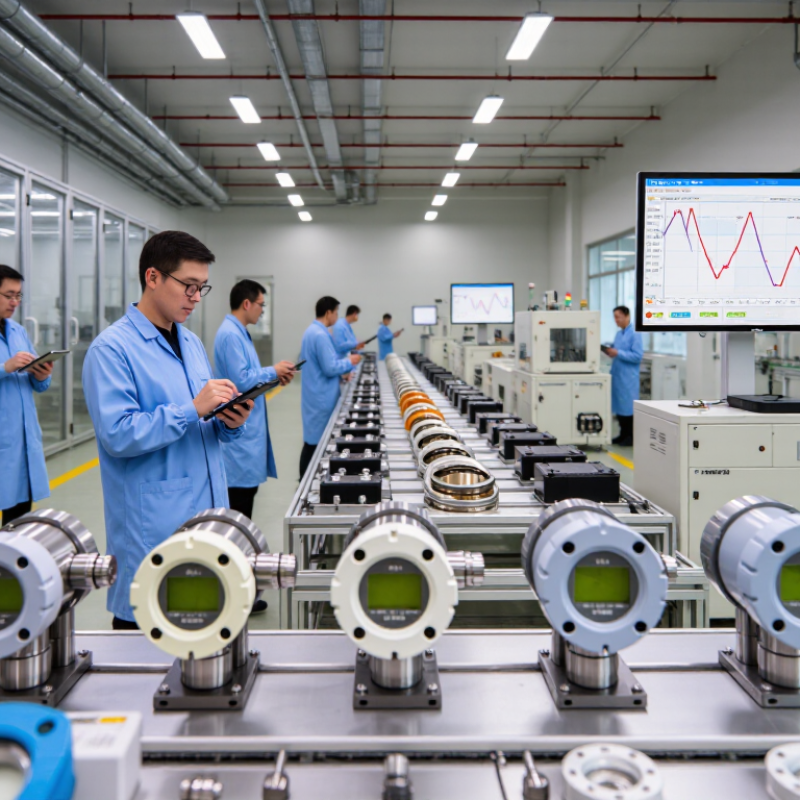
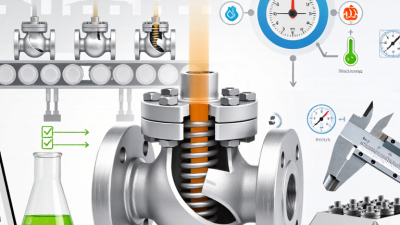
Flowtronics combines valves, pumps, sensors, meters, and control systems into one working process. A reliable Chinese manufacturer should understand how these parts interact, not merely sell separate components. For example, a stainless-steel valve regulates liquid entry, while a pump maintains pressure through changing demand. Sensors monitor temperature, pressure, or flow rate. Meters then display measurable performance. Control systems connect these signals to programmed actions. Small errors matter.
Global buyers should request pump curves, valve pressure ratings, sensor calibration records, and meter accuracy data. Material certificates can confirm steel grades and sealing materials. Factory audits may reveal testing equipment, assembly discipline, and traceability practices. Ask how each unit is tested before shipment. A clear answer builds confidence. It also exposes weak processes.
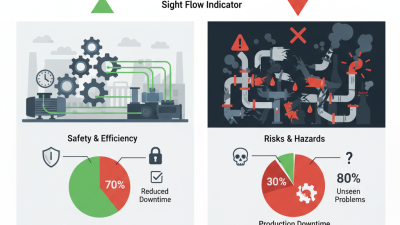
Flowtronics terminology is not always used consistently across suppliers. That distinction matters. Some manufacturers may describe a basic monitoring package as a complete control system. Buyers should compare technical drawings, communication protocols, operating temperatures, and maintenance requirements. Field experience shows that compatibility problems often appear after installation, not during price negotiations. I would also verify spare-part availability and response procedures before signing a purchase agreement. No system is perfect. Even experienced teams can overlook calibration drift, unstable power, or unclear alarm settings. Careful documentation reduces these risks, although it cannot remove them completely.
China Top Flow Tronics Manufacturers for Global Buyers?
For global buyers, Chinese flow-control manufacturers should be classified by measurable performance, not factory size. Start with flow rate: low-flow units may handle milliliters per minute, while industrial valves can manage hundreds of cubic meters per hour. Ask for the tested range, medium, temperature, and calibration method. A catalog number alone is not enough. In my sourcing work, mismatched range often creates unstable readings at the lower end.
Pressure class changes the selection. Low-pressure instruments may fit clean-water skids, while high-pressure assemblies need certified body materials and pressure testing. Compare working pressure with burst pressure; they are not interchangeable. Accuracy also deserves close attention. A supplier may quote ±0.5% of full scale, yet that can be poor at a narrow operating point. Request repeatability data, zero-drift results, and calibration records from a recent production batch. I would still verify these figures independently.
IP rating indicates protection against dust and water, but it does not prove chemical resistance. IP65 may suit a sheltered control cabinet; IP67 is safer for temporary immersion. IP68 requires a stated depth and duration, not vague marketing language. Check connector sealing, cable glands, enclosure materials, and test reports. Reliable manufacturers provide traceable serial numbers, sample inspection, and clear acceptance criteria. Some buyers, including me, focus too heavily on headline specifications. Installation conditions can expose the real weakness.
| Manufacturer Capability Category | Primary Flow Technology | Typical Flow-Rate Range | Typical Pressure Capability | Typical Accuracy | Common IP Rating | Suitable Media | Typical Global-Buyer Applications | Key Procurement Consideration |
|---|---|---|---|---|---|---|---|---|
| Industrial Electromagnetic Flow Meter | Electromagnetic sensing for conductive liquids | DN10–DN3000; approximately 0.01–100,000 m³/h, depending on line size and velocity | Approximately PN6–PN40; higher ratings available with selected flange designs | Typically ±0.5% of reading; premium configurations may reach ±0.2% | IP65, IP66, IP67; remote sensors commonly available with IP68 | Water, wastewater, acids, alkalis, slurries, conductive chemicals | Water utilities, wastewater treatment, process plants, mining, irrigation | Confirm minimum conductivity, electrode material, liner compatibility, grounding, and empty-pipe detection. |
| Vortex Flow Meter | Vortex shedding frequency measurement | Approximately 0.5–4,000 m³/h for liquids, gases, and steam; range depends strongly on diameter and density | Typically PN10–PN40; process-temperature and flange options vary by configuration | Typically ±1.0% of reading for liquids and ±1.5% for gases or steam | IP65–IP67; IP66/IP67 is common for outdoor transmitters | Steam, compressed air, natural gas, nitrogen, water, low-viscosity liquids | Boiler systems, energy management, compressed-air monitoring, general process control | Check minimum Reynolds number, vibration conditions, straight-pipe requirements, and temperature compensation. |
| Ultrasonic Flow Meter | Transit-time or Doppler ultrasonic measurement | Approximately 0.01–100,000 m³/h; clamp-on models can cover large pipes without process shutdown | Limited mainly by the pipe or installation system; insertion and inline versions commonly support PN10–PN40 | Typically ±1.0% to ±2.0% of reading; installation quality has a major effect | IP65–IP68, depending on sensor, transmitter, and installation type | Clean liquids, wastewater, hydrocarbons, cooling water, some gas applications | Temporary measurement, large pipelines, water distribution, HVAC, energy audits | Evaluate pipe material, wall thickness, liner, acoustic coupling, fluid cleanliness, and available straight run. |
| Coriolis Mass Flow Meter | Coriolis-effect direct mass measurement | Approximately 0.003–2,000 t/h, depending on tube size and process medium | Commonly 16–100 bar; specialized designs may support higher pressures | Typically ±0.1% to ±0.2% of mass flow for liquid service | IP65–IP67; remote sensor assemblies may be IP68 | Liquids, gases, chemicals, oils, fuels, food and pharmaceutical fluids | Batching, custody-related process control, dosing, blending, high-value chemical transfer | Compare pressure loss, zero stability, two-phase-flow tolerance, operating temperature, and sanitary compliance. |
| Turbine Flow Meter | Rotor-speed measurement proportional to volumetric flow | Approximately 0.01–2,500 m³/h; best performance is normally within a defined turndown range | Typically 10–250 bar, depending on body material, connection, and nominal size | Typically ±0.5% to ±1.0% of reading after calibration | IP65–IP67; higher enclosure protection available for selected assemblies | Clean water, fuels, oils, solvents, compressed gases, low-viscosity liquids | Fuel dispensing, hydraulic testing, chemical dosing, laboratory and skid systems | Require clean media, filtration, stable flow, and suitable bearing or wetted-material selection. |
| Thermal Mass Flow Meter | Heat-transfer measurement for gas mass flow | Approximately 0.01–10,000 kg/h; insertion versions support larger ducts and pipelines | Commonly 10–40 bar; higher-pressure insertion designs require specific approvals | Typically ±1.0% to ±1.5% of reading plus zero stability effects | IP65–IP67; remote displays may be separately rated | Compressed air, nitrogen, oxygen, biogas, natural gas, industrial gases | Compressed-air leakage programs, gas consumption monitoring, combustion control | Confirm gas composition, humidity, contamination level, velocity profile, and calibration gas conditions. |
| Differential-Pressure Flow System | Orifice plate, nozzle, venturi, or averaging-pitot measurement | Approximately 0.1–100,000 m³/h, calculated from differential pressure and primary-element geometry | Typically PN10–PN420, depending on impulse piping, manifold, and primary element design | Typically ±0.5% to ±1.5% of calibrated span | IP65–IP67 for transmitters; remote-seal systems vary by assembly | Steam, gases, water, hydrocarbons, and many process liquids | Power generation, steam measurement, refinery processes, flow control loops | Account for permanent pressure loss, impulse-line maintenance, density compensation, and square-root extraction. |
| Variable-Area Flow Meter | Float position in a tapered tube or metal tube | Approximately 0.1–1,000 L/min for liquids and 1–10,000 L/min for gases, depending on scale and design | Typically 6–25 bar for glass-tube designs; metal-tube designs may support higher pressure | Typically ±2.0% to ±2.5% of full scale | IP65–IP67 for armored electronic versions; glass tube protection varies | Water, air, gases, chemicals, purge fluids | Laboratory equipment, panel flow indication, purge systems, water treatment skids | Select the correct scale basis, fluid density, viscosity, temperature, connection type, and alarm option. |
| Sanitary Flow Meter | Electromagnetic or Coriolis measurement with hygienic construction | Approximately 0.01–2,000 m³/h, depending on technology and sanitary pipe size | Commonly PN6–PN25; clamp, weld, and hygienic flange connections are typical | Typically ±0.2% to ±0.5% of reading, depending on technology | Typically IP67; washdown-oriented designs may provide IP69K protection | Food, beverage, dairy, pharmaceutical liquids, purified water, cleaning solutions | Filling lines, CIP systems, hygienic batching, beverage and pharmaceutical production | Verify wetted-surface finish, hygienic certification, drainability, CIP/SIP temperature, and elastomer compatibility. |
Note: The figures shown are representative industry ranges for commonly offered configurations, not guaranteed specifications for every manufacturer or model. Final selection should be based on the approved datasheet, calibration certificate, process conditions, applicable standards, and site installation requirements.
China Top Flow Tronics Manufacturers for Global Buyers?
A flow meter rated at ±0.5% measurement accuracy can support tighter process control. However, buyers should check how accuracy is defined. Some specifications use full-scale readings, while others use the actual measured value. That difference matters at low flow rates. A device measuring 0.1 m³/h needs different verification than one handling 1,000 m³/h.
Range selection should match the operating process, not only the maximum pipe capacity. A 25 m³/h line may perform poorly with an oversized meter. Stable readings often require suitable straight-pipe length, correct installation direction, and clean connections. In practical testing, record inlet pressure, fluid temperature, pipe size, and actual flow. Small details can expose large errors.
Calibration evidence also deserves close attention. Ask for test conditions, traceable instruments, and adjustment records. A reliable supplier should explain sensor materials, communication options, enclosure protection, and service limits clearly. The best technical discussion is specific.
Not always perfect.
A ±0.5% claim may change with viscosity, pulsation, air bubbles, or temperature shifts. Buyers should request performance data across the intended 0.1–1,000 m³/h range, rather than relying on one laboratory point. I would also allow time for field validation. Installation mistakes are common, and even a well-built meter cannot correct poor commissioning.
For global buyers, a flow electronics manufacturer should show compliance before discussing price or delivery. ISO 9001 indicates a controlled quality system, but it does not prove every product meets market requirements. Ask for the current certificate, issuing body, covered facilities, and certification scope. Confirm that production sites match the documents.
CE compliance requires careful review. Request the EU Declaration of Conformity, applicable directives, harmonized standards, and supporting test reports. RoHS evidence should identify restricted substances and explain how suppliers control materials. A generic statement is weak evidence. Paperwork is not proof.
IEC 60529 ratings need practical verification. If equipment claims IP65, inspect the enclosure, cable glands, gasket compression, and test conditions. Check whether the tested configuration matches the shipped model. Sample labels, batch records, inspection plans, and corrective-action reports can reveal daily control. During factory audits, buyers should compare documents with actual assembly steps. Small differences matter.
A certificate may be valid, yet outdated. An audit also captures only one moment. That gap deserves attention. Ask how changes in components, software, or housing designs trigger retesting. Independent laboratory reports strengthen confidence, but buyers should verify report numbers and product identifiers. Experienced sourcing teams keep a compliance file for each model and review it before every major order. Mistakes still happen. Transparent manufacturers explain them, correct them, and preserve traceability.
Choosing a China-based Flow Tronics manufacturer requires more than comparing unit prices. Procurement teams should examine MOQ, production capacity, and technical support. A supplier offering 100 units may suit pilot projects, while a 5,000-unit MOQ can create unnecessary inventory risk.
Ask for a written lead-time schedule. It should separate component sourcing, assembly, testing, and shipment. In practice, a quoted 20-day lead time may exclude approval delays or custom packaging. Request recent export records, destination markets, and shipment references. These details help verify operational experience rather than relying on polished claims. Check whether quality documents match the actual product configuration.
Warranty terms also need careful review. Confirm coverage periods, failure definitions, return procedures, and response times. A two-year warranty means little if replacement freight is unclear. Evaluate total cost of ownership, including tooling, inspection, freight, duties, spare parts, energy use, and downtime. A cheaper flow meter may require frequent recalibration. That difference can outweigh the initial saving. Ask for sample test data and conduct a small pilot before scaling. Some assessments remain imperfect because field conditions differ from factory tests. That is worth acknowledging. A reliable supplier should accept reasonable questions, disclose limitations, and support traceable corrective action when performance falls short.
Indicative benchmark profile for evaluating China-based flow-control and instrumentation suppliers. Scores are normalized to a 0–100 scale from typical buyer priorities: lower MOQ, shorter lead time, longer warranty, stronger export experience, and lower total cost of ownership. These are industry-screening benchmarks rather than company-specific claims.