Why Choose a Full View Sight Flow Indicator?

A full view sight flow indicator gives operators a direct look at fluid movement inside a process line. Through its broad viewing window, they can check for flow, observe changes, and spot unusual conditions without relying on a display alone. The view is immediate. But it is not a complete diagnosis. Bubbles, color, lighting, and viewing angle can all affect what an operator sees.

Choosing the right full view sight flow indicator means matching its materials, pressure and temperature ratings, connection type, and visibility to the actual service conditions. A clear window matters, but so does compatibility with the fluid and the cleaning routine. Small details count. A poorly placed indicator can be hard to inspect, even when its window is large. And visual observation should support—not replace—appropriate instruments and operating procedures.

Process-control author Béla Lipták has written extensively about measurement and instrumentation. A practical principle consistent with that work is: “A reading is useful only when it is clear, dependable, and actionable.” This is an editorial summary, not a verbatim quotation. In the sections ahead, we’ll examine where full-view designs help, what to assess before selection, and which limits deserve attention. There is no universal best choice. The right indicator makes flow easier to observe, while leaving room for careful judgment.

Why Choose a Full View Sight Flow Indicator?

What Is a Full View Sight Flow Indicator?

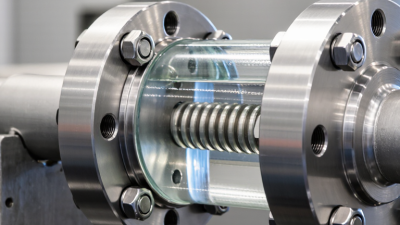
A full view sight flow indicator is an in-line device that lets an operator visually inspect fluid moving through a pipe. Its transparent viewing section exposes a broad area of the flow, often around much of the tube’s circumference. Depending on the design, the body may include metal connections, seals, and a glass or other transparent element. The exact construction varies.

In practice, an operator might look for a steady stream, changes in color, suspended particles, or air bubbles. These details can help identify a process change near the equipment, but appearance alone cannot confirm a precise flow rate. Not a meter. Lighting, fluid opacity, and viewing angle can all affect what someone sees. A clear window can still give an incomplete picture.

Selection depends on the fluid, operating temperature, pressure, connection type, and cleaning requirements. Confirm that the viewing element and seals are compatible with the actual process conditions, rather than relying on appearance or a general material description. A small mismatch can cause leakage or damage. Inspection also matters: residue, scratches, or condensation may hide movement. I would treat the indicator as a useful visual check, not a substitute for instrument readings or routine maintenance.
How Does a Full View Sight Flow Indicator Work?

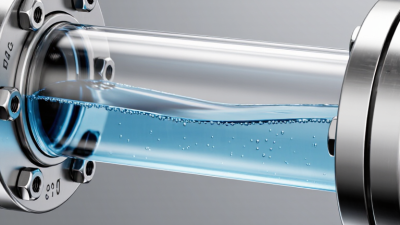
A full-view sight flow indicator lets operators observe fluid movement through a transparent chamber. Its body sits inline with a pipe, so the process stream passes through the viewing area. Depending on the design, a clear window or tubular section provides visibility from several angles. That broad view helps. Bubbles, suspended particles, color shifts, or an interrupted stream may become visible during operation.

The indicator does not usually measure flow rate by itself. Instead, it gives a direct visual reference as fluid moves past internal surfaces or a flow element. A rotating spinner, when fitted, can suggest movement and direction; it is not a calibrated reading unless the device is designed and rated for that purpose. Operators should match wetted materials, pressure, temperature, and connections to the service conditions, then inspect seals and viewing surfaces for wear or deposits. A cloudy window can mislead. Even a clear view cannot confirm chemical composition or reveal every contaminant. It is a useful process check, but not a substitute for instruments or sampling when precise data is needed.

Which Features Support Clear, Reliable Flow Observation?

A full-view sight flow indicator gives operators a direct look at movement inside a pipe. A broad viewing area can reveal a steady stream, bubbles, discoloration, or an unexpected interruption. Small details matter: glare, deposits, and poor lighting can hide changes. Keep the viewing surface clean and check it from the normal inspection position.

The U.S. Department of Energy’s Improving Pumping System Performance: A Sourcebook for Industry estimates that pumping systems use nearly 20% of global electricity and 25–50% of energy in some industrial facilities. Those figures are not proof that a sight indicator saves energy. Still, visible flow changes can prompt an earlier check of a pump or filter. A sight glass is not a flow meter. It cannot confirm a precise rate or diagnose a fault. Choose materials and pressure and temperature ratings for the actual process, and consider whether the window remains clear with the fluid being observed. Even a useful indicator can be misread. The view is only as reliable as its installation, lighting, and inspection routine.

Why Choose a Full View Sight Flow Indicator?

A full-view design makes it easier to observe flow movement and spot changes at a glance.

This illustrative example shows water flow readings fluctuating around 24 L/min. A clear, unobstructed viewing area can help operators notice flow changes, interruptions, or visible bubbles; actual performance depends on the indicator design and operating conditions.

Where Does a Full View Sight Flow Indicator Offer Advantages?

Why Choose a Full View Sight Flow Indicator?

Where Does a Full View Sight Flow Indicator Offer Advantages?

A full view sight flow indicator is useful wherever operators need to confirm movement, clarity, or changing conditions without opening a line. On a coolant return, for example, a clear window can reveal a steady stream, trapped bubbles, or an unexpected pause. It helps during routine rounds. But it does not measure flow rate.

The U.S. Department of Energy’s Improving Pumping System Performance: A Sourcebook for Industry estimates that pumping systems use nearly 20% of global electricity demand, and 25–50% of energy in some industrial facilities. That figure does not mean a sight indicator saves energy by itself. It does show why practical checks on pump operation matter. A visible flow change may prompt an operator to inspect a clogged strainer, a closed valve, or a pump issue before it worsens.

These indicators can be especially helpful on process lines where flow is intermittent or where fluid condition matters, such as lubrication, water treatment, and washdown systems. Match the sight window and body materials to the fluid, pressure, temperature, and cleaning routine. Consider the viewing angle, too; a clear window is less useful when pipes, insulation, or poor lighting block it. I sometimes treat a visual check as proof of normal operation. That is a mistake worth questioning: bubbles or motion can be visible even when actual flow is inadequate.

How Should You Choose the Right Indicator for Your System?

Choosing the right full view sight flow indicator starts with the job it must perform. Is it meant to confirm flow, reveal color changes, or show bubbles and debris? A visual indicator is not a precision flow meter. Start with the process. Note the fluid, expected flow range, operating pressure, and temperature before comparing designs.

Check the wetted materials against the fluid and cleaning routine. Then confirm the connection size, pressure rating, and permitted temperature range. Check the limits. A broad viewing area helps, but cloudy fluid, poor lighting, or a cramped installation can still make the view hard to read. Orientation matters, too: some indicators need a specific position for a useful visual check. A clear window cannot compensate for an unsuitable installation.

Consider whether operators can inspect and maintain the unit without removing nearby equipment. Ask how the viewing element handles expected pressure changes and routine cleaning, and review the manufacturer’s technical documentation. Avoid choosing by window size alone. It is an easy detail to overvalue. If flow behavior varies widely, confirm that the indicator can show useful movement under both low and normal operating conditions.

Why Choose a Full View Sight Flow Indicator? - How Should You Choose the Right Indicator for Your System?

Selection dimension System information to collect Practical selection guidance Why it matters
Purpose of observation Confirm flow, check for flow interruption, or observe product appearance. Choose a full-view design when visibility from multiple angles or a broad viewing area is useful. For a specific flow direction, confirm whether the selected design includes a suitable indicator element. A viewing window alone may show fluid presence but may not reliably indicate flow direction or rate.
Process fluid Fluid name, concentration, cleanliness, viscosity, and any suspended solids. Check that all wetted materials are compatible with the fluid. Consider whether deposits, color, or opacity could make visual inspection difficult. Chemical compatibility and optical clarity affect service life and the usefulness of the observation.
Pressure and temperature Normal and maximum operating pressure, temperature, and any start-up or cleaning conditions. Select a unit whose documented pressure and temperature limits cover the full operating envelope. Check ratings for the complete assembly, including the viewing element and seals. Allowable limits vary by design, materials, size, and operating conditions; do not assume one rating applies to all models.
Pipe size and connections Line size, connection type, pressure class, and available installation space. Match the end connections and nominal pipe size to the system. Confirm face-to-face dimensions and any installation orientation requirements. A mismatch can require adapters, affect installation space, or create unwanted restrictions in the line.
Flow conditions Expected flow range, direction, pulsation, and whether the line carries liquid, gas, or a mixture. Verify that the indicator mechanism, if present, is suitable for the medium and flow range. Follow the installation orientation specified for that design. Indicator response and visibility can vary with flow rate, fluid properties, and mounting position.
Viewing element and visibility Required viewing angle, lighting, operator distance, and process-fluid clarity. Compare the available viewing area and viewing-element material. Confirm suitability for the process temperature, pressure, and cleaning method. Full-view construction can improve visual access, but actual visibility still depends on installation and process conditions.
Cleaning and maintenance Cleaning chemicals, cleaning temperature, inspection frequency, and access for maintenance. Confirm compatibility with the cleaning procedure and whether seals or other service parts can be inspected or replaced as required. Cleaning conditions can impose different material demands from normal operation.
Installation and safety Line location, support, vibration, surrounding hazards, and applicable site requirements. Install in accordance with the product instructions and applicable piping and safety requirements. Provide suitable support and protect the viewing area from impact where needed. Correct installation helps maintain visibility and reduces the risk of mechanical damage or leakage.
Final verification Operating specification, drawings, required approvals, and maintenance plan. Before purchase, verify the selected unit’s datasheet, material details, ratings, dimensions, and any required certifications against the system specification. The right choice depends on the complete application, not on viewing style alone.