
In the ever-evolving landscape of the wood processing industry, choosing the right equipment is crucial. A Wood Crusher Machine stands out as a vital tool for businesses aiming to enhance efficiency and productivity. Renowned industry expert, John Miller, states, "Investing in a wood crusher can dramatically streamline your operations." His words resonate with many over the years.
Wood Crusher Machines not only simplify the wood crushing process but also improve overall resource management. By converting raw timber into smaller, manageable pieces, businesses can utilize their materials more effectively. Yet, this decision isn’t always straightforward; finding the right machine can be daunting. Considerations such as size, capacity, and cost must be weighed against your specific business needs.
The reliability of a Wood Crusher Machine becomes evident in its performance in various settings. Some companies have reported mixed experiences with specific models. Understanding the market and learning from others' mistakes is essential. Crafting a strategy around these insights can lead to better choices that ultimately support long-term growth.
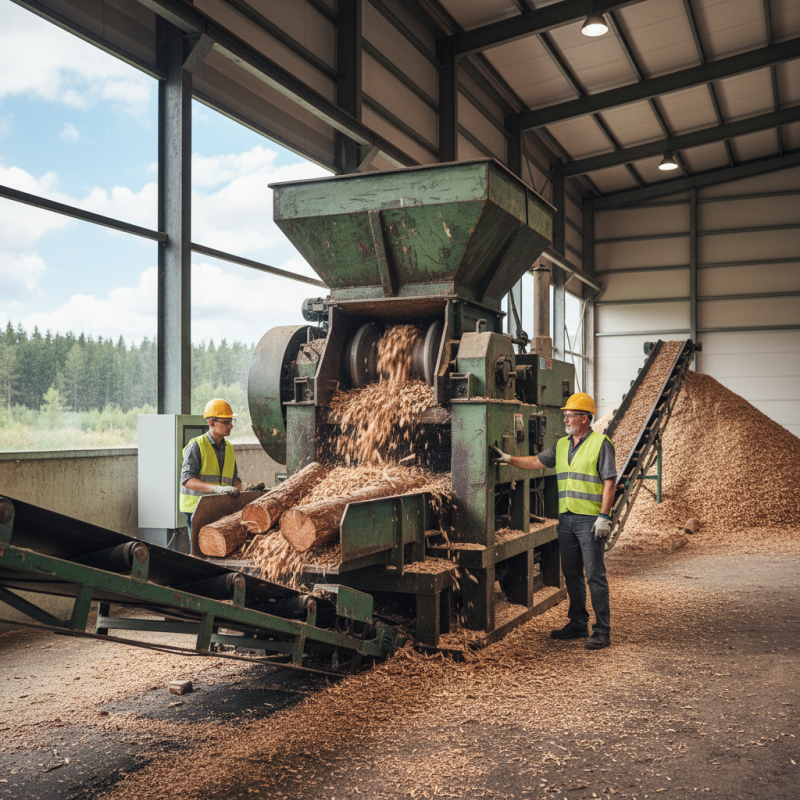
A wood crusher machine is essential for modern business operations. It transforms raw wood materials into manageable sizes. This process enhances efficiency in various industries, such as furniture, construction, and recycling. By using this machine, businesses can significantly reduce waste. It allows for the creation of reusable material from scrap and byproducts.
Moreover, the wood crusher machine can improve safety in the workplace. By reducing large pieces of wood, it minimizes handling risks. Workers can focus on their tasks without the threat of injury. The machine also adds to the sustainability of operations. Companies can utilize wood waste rather than disposing of it improperly. This alignment with eco-friendly practices fosters a positive reputation.
However, integrating such machinery requires thoughtful consideration. Costs, maintenance, and training are factors that shouldn't be overlooked. The effectiveness of the machine depends on the operational workflow. Ensuring it fits seamlessly with existing processes is crucial. Business owners must weigh these aspects carefully to maximize benefits.
When it comes to wood crusher machines, various types cater to different needs. Shredders, for instance, break down large pieces of wood into smaller, manageable sizes. These machines are vital for recycling wood waste, especially in industries producing a lot of offcuts. They help reduce storage space and make wood easier to transport.
Chippers are another popular type. They cut wood into uniform chips, which can be used for landscaping or biomass fuel. The right chipper will depend on the size of the wood and its intended use. Some might require adjustments for efficiency, as not every model works well with every type of wood.
Hammer mills also have their place in wood processing. They are designed for finer grinding, turning wood into sawdust. This is essential for certain applications, but they can create a lot of dust. Workers must ensure proper ventilation and protective gear. Each machine has its strengths and weaknesses, making it crucial to match the right machine for specific business needs.
Choosing the right wood crusher machine involves several factors. First, consider the material type. Different machines handle various wood sizes and densities. For example, hardwood requires a more robust crusher than softwood. The machine's capacity should align with your production needs too. A smaller shop may not need a high-output model.
Maintenance is another crucial aspect. A machine that is easy to maintain can save you time and costs in the long run. Regular upkeep ensures efficiency and prolongs the lifespan of your equipment. Look for models that provide clear instructions and easy access to parts. Additionally, think about safety features. A machine should have safeguards to protect operators during use.
Cost is important but not the sole concern. An inexpensive unit may lack durability. Investing in quality equipment can yield better results over time. Reflect on the balance between initial cost and long-term benefits. Consider your workflow. Does the machine fit well within your existing setup? This can help streamline operations and improve productivity. Each aspect you assess will guide you toward a more informed decision.
Small businesses often seek ways to maximize efficiency and minimize costs. A wood crusher machine can fulfill both these needs effectively. These machines reduce wood waste into usable chips or mulch. This process can drastically lower disposal costs for wood scraps. Additionally, companies can use the processed wood for various functions, boosting value.
Investing in a wood crusher machine might seem daunting initially. However, the long-term savings can be significant. By processing their wood waste, businesses eliminate the need for expensive waste management services. They can also create their own raw material for products, reducing reliance on external suppliers. The versatility in usage adds to the appeal. Yet, potential buyers should consider maintenance costs and operational training as these can affect overall savings.
Cost-effectiveness is more than just the initial purchase price. It involves evaluating the machine’s impact on operations and potential revenue. Understanding your specific business needs is crucial at this stage. Taking the time to reflect can lead to a more informed decision. It can reveal whether a wood crusher machine is the right fit. This contemplation is an essential part of ensuring that investments align with business goals.
When it comes to maintaining wood crusher machines, efficiency is crucial. Regular inspections can significantly enhance performance. According to industry studies, well-maintained equipment can boost productivity by up to 20%. This improvement translates into cost savings and increased output for businesses.
Cleaning the machine after use is vital. Residue buildup can lead to mechanical issues and reduced efficiency. It’s recommended to check blades for wear and tear. Replacing dull blades improves cutting accuracy. Additionally, lubricating moving parts ensures smoother operation. A 2022 report indicated that proper lubrication could extend the lifespan of machinery by 30%.
Ignoring maintenance leads to larger problems. Neglect can cause unexpected downtime. This downtime results in lost revenue and delays in production. Keeping a log of maintenance tasks helps track performance and catches potential issues early. Implementing a consistent maintenance schedule is an investment in the longevity of your wood crusher machine.