

China’s bakery sector is evolving alongside changing retail habits, wider distribution networks, and demand for convenient snacks. The National Bureau of Statistics of China reported that online retail sales of food increased 16.0% in 2024. This figure covers food broadly, not cookies alone, but it signals why suppliers increasingly need dependable packaging and channel-ready products. The USDA Foreign Agricultural Service’s China: Retail Foods Annual also provides useful context on the country’s food retail landscape. The opportunity is real, though broad market data cannot prove demand for every flavor.
Butterscotch Cookies bring a familiar caramel-like taste to a category where texture and consistency matter. Buyers often assess more than sweetness. They look at ingredient specifications, batch uniformity, shelf-life documentation, packaging options, and the supplier’s ability to meet order schedules. A crisp edge and a clean butterscotch aroma can help a product stand out. Small differences matter.
This guide introduces China-based manufacturers and suppliers, while encouraging buyers to verify claims directly. Request current product specifications, sample batches, facility information, and relevant quality documents before placing an order. Compare lead times and communication, too. A polished catalog is not enough. Public reports describe market conditions, not the performance of an individual factory, so independent checks remain important. That gap deserves attention. The strongest sourcing decision balances flavor, reliable production, transparent documentation, and practical commercial terms—not headline figures alone.
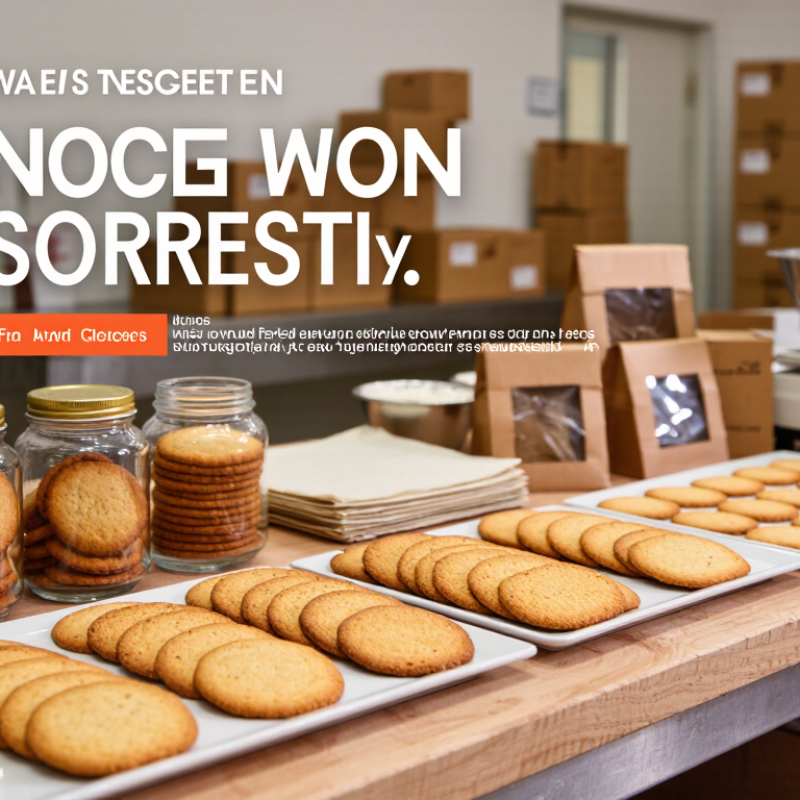
China Top Butterscotch Cookies Manufacturers and Suppliers
What Defines Butterscotch Cookies in the Chinese Market
In China, butterscotch cookies are usually defined by a warm, cooked-sugar flavor, often paired with buttery notes. Their sweetness can range from mellow to pronounced. Texture matters. Some products are crisp and lightly browned, while others have a tender center or small caramel-like inclusions. There is no single market standard, so clear product descriptions help buyers compare recipes fairly.
For manufacturers and suppliers, consistency is as important as flavor. A balanced cookie should avoid tasting sharply burnt or excessively sweet. Even browning, a clean snap, and a fresh aroma are practical quality cues. Buyers can review ingredient specifications, production controls, and packaging performance. Samples should be assessed across batches, since one tasting cannot reveal consistency. Humidity also matters; a crisp cookie may soften during storage if its packaging is not suitable.
Tips: Taste samples at room temperature. Compare sweetness, crunch, and aftertaste, then check whether the texture holds after opening. Small details count.
Core product characteristics are distinguished from optional inclusions. This is a category definition, not a market-share or supplier survey.
Brown-sugar butterscotch flavor, buttery richness, and a baked-cookie format define the category. Butterscotch chips may be included, but are not essential to the product definition.
China Top Butterscotch Cookies Manufacturers and Suppliers
Overview of China’s Butterscotch Cookie Manufacturing Industry
China’s butterscotch cookie industry serves domestic retailers and overseas buyers through a varied mix of food factories. Production commonly involves flour blending, dough forming, baking, cooling, and sealed packaging. Butterscotch flavor may come from caramelized sugar, butter, or carefully selected flavor ingredients. The exact recipe affects sweetness, aroma, color, and texture. Small details matter. A few minutes’ difference in baking can shift a cookie from tender and golden to dry and dark.
Manufacturers may offer different shapes, pack sizes, and recipes to meet buyer specifications. Reliable production depends on clear ingredient records, controlled baking conditions, hygienic handling, and repeatable checks on weight and appearance. Buyers can request samples and review specifications before discussing larger orders. They should also confirm how suppliers manage shelf-life testing and packaging integrity. Not every batch behaves. Humidity during storage, for example, can soften a crisp cookie, so packaging choices matter. Supplier capabilities vary, and a polished sample alone cannot prove consistent output. Transparent communication and ongoing quality checks help set realistic expectations across production runs.
China Top Butterscotch Cookies Manufacturers and Suppliers
Types of Manufacturers and Suppliers in China
China’s butterscotch cookie suppliers generally fall into a few practical categories. Large contract manufacturers produce high volumes and may adjust recipes, pack sizes, and labels to buyer specifications. Specialist bakeries often offer smaller production runs and more hands-on recipe discussions. Export-focused suppliers can coordinate documentation and shipping, but some act as intermediaries rather than operating their own factories. Ask directly which role they perform.
Tips: Request a recent product specification, ingredient list, and shelf-life details. Compare a delivered sample with the written specification. Check whether the supplier can explain how it manages batch consistency, packaging, and moisture protection. Small details matter: a crushed carton can affect the cookies inside.
Before choosing, clarify minimum order quantities, production timelines, and customization limits. A supplier’s sample may taste excellent, yet a larger batch can differ slightly; this deserves a follow-up check, not an assumption. Ask for factory information or a video tour when appropriate, and confirm who handles quality checks. No supplier type is automatically best. Match its production scale and communication style to your order, then document agreed specifications in writing.
| Manufacturer or Supplier Type | Typical Products and Capabilities | Common Customization Options | Typical Buyers | What to Confirm When Sourcing |
|---|---|---|---|---|
| Contract biscuit and cookie manufacturers | Produce cookies to a buyer’s recipe or product specification, often using established mixing, forming, baking, and packing lines. | Cookie shape, size, texture, recipe, pack format, and private-label packaging, subject to factory capability. | Food brands, importers, retailers, and food-service distributors. | Recipe ownership, production capacity, trial-sample process, quality-control procedures, and minimum order quantity. |
| Private-label cookie manufacturers | Manufacture and pack products for sale under a customer’s brand. Butterscotch-style cookies may be made to an existing recipe or developed for the buyer. | Label artwork, pack size, product positioning, and, where available, recipe adjustments. | Retail chains, e-commerce sellers, distributors, and emerging brands. | Packaging responsibilities, label review process, production lead time, and whether the quoted price includes printing and packaging materials. |
| Export-oriented baked-goods manufacturers | Make packaged cookies for overseas markets and may support export documentation and destination-market specifications. | Carton configuration, language versions, ingredient specifications, and export packaging requirements. | Overseas importers, wholesalers, and retail buyers. | Destination-country requirements, ingredient and allergen declarations, shelf-life evidence, shipping conditions, and required export documents. |
| Specialty and premium cookie manufacturers | Focus on differentiated recipes, such as richer butter notes, inclusions, or small-batch product lines. Available ingredients and processes vary by facility. | Ingredient choices, cookie texture, inclusion size, and presentation format. | Specialty retailers, gift-food businesses, cafés, and premium product brands. | Ingredient specifications, consistency between batches, sample approval, and whether claims such as “made with butter” are supported by the recipe and documentation. |
| Large-scale biscuit manufacturers | Operate higher-volume production and packing lines suited to repeat orders and standardized products. | Usually best suited to established recipes, standard pack formats, and larger production runs. | Large distributors, supermarket suppliers, and high-volume importers. | Available line formats, capacity allocation, order quantities, production scheduling, and changeover limitations. |
| Ingredient and flavor suppliers | Supply components such as sugar, dairy ingredients, fats, inclusions, or flavoring materials; they are not necessarily cookie manufacturers. | Ingredient specifications, pack sizes, and technical support, depending on the supplier. | Cookie factories, product developers, and food manufacturers. | Food-grade documentation, ingredient composition, allergen information, traceability, and suitability for the intended market. |
| Trading companies and sourcing agents | Connect buyers with manufacturers and may coordinate quotations, samples, packaging, or export arrangements. They may not own production facilities. | Supplier search, communication support, consolidated sourcing, and order coordination. | Importers and buyers seeking assistance with supplier communication or sourcing. | Identity of the actual producing factory, responsibility for quality issues, fees, sample handling, and contractual roles. |
Sourcing note: “Butterscotch cookie” can describe different recipes and flavor profiles; it does not by itself specify a fixed ingredient formula. Confirm the ingredient list, allergen information, product specifications, packaging, and shelf life directly with the manufacturer. Minimum order quantities, certifications, and export capabilities vary by supplier and should be verified for each order.
When evaluating Chinese butterscotch cookie suppliers, check whether their production experience matches your product and order size. Ask how they control butter flavor, sweetness, cookie thickness, and baking color across batches. Request recent product specifications, ingredient details, allergen controls, and test records relevant to your destination market. Verify that documents are current and match the actual factory, not just a trading office. Paperwork matters, but it is not the whole picture.
Order samples from more than one production batch. Compare aroma, crunch, sweetness, and how the cookies hold up after opening. Inspect the package seal and look for crumbs or broken edges after a realistic shipping trial. Small details matter. Ask about minimum order quantities, lead times, shelf-life testing, and how the supplier handles quality complaints. Clear answers should include records or practical examples, not vague promises. A polished factory tour can still leave important questions unanswered, so request a live production walkthrough when possible. One limitation: a sample cannot fully predict performance during long-distance transit. Make that uncertainty part of your evaluation, and document agreed product tolerances before placing a large order.
When sourcing butterscotch cookies from China, compare suppliers using a written product specification. Record cookie size, weight, texture, ingredient list, and acceptable breakage levels. Butterscotch flavor can differ in sweetness and aroma, so request samples from the same production batch you plan to order. A sample alone can mislead; factory conditions and recipes may change.
Tips: Ask for ingredient and allergen declarations, production dates, shelf-life data, and packaging dimensions. Check that carton seals stay intact and inner trays limit movement. Small details matter. Keep a signed sample for comparison.
Before confirming an order, review the quotation, minimum order quantity, production lead time, and payment schedule. Calculate landed costs, including freight, insurance, customs charges, and local handling. Requirements for food imports and labels vary by destination, so confirm them with the relevant authorities or a qualified customs broker. Request recent test reports where appropriate, but verify their scope and issuing laboratory. Cookie freshness depends on the full route, not just the printed shelf life. Ask how the supplier controls moisture and protects cartons during loading. A few extra checks may feel slow, but replacing damaged or non-compliant stock costs more.