Top 10 Robotic and Electro Mechanical Manipulators in China?
Robotic And Electro-Mechanical Manipulators are integral to modern automation. In China, the advancements in these technologies have been remarkable. According to the International Federation of Robotics, the nation became the largest market for industrial robots in 2020, accounting for about one-third of global sales.
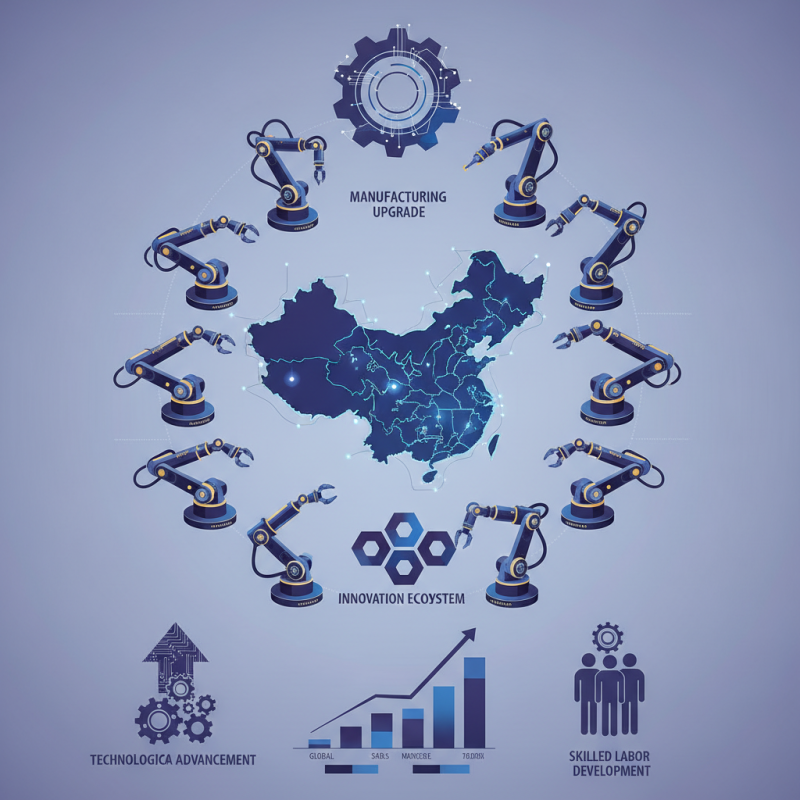
The Chinese government has prioritized robotics development, aiming for a comprehensive upgrade in manufacturing capabilities. This surge in interest is reflected in the rapid rise of domestic companies specializing in robotic and electro-mechanical manipulators. However, challenges remain, such as the need for skilled labor and overcoming technological bottlenecks.
Engaging with various sectors, these manipulators are transforming factories, improving precision and efficiency. Despite significant strides, continuous innovation and addressing the skills gap are necessary for sustained growth in this vital industry. The relevance of robotic and electro-mechanical manipulators in shaping the future of manufacturing is undeniable.
Overview of Robotics and Electro-Mechanical Manipulators in China
China has rapidly advanced in robotics and electro-mechanical manipulators, becoming a global leader. The country is home to numerous research institutions and companies dedicated to this field. These institutions are improving the efficiency of various industries, from manufacturing to healthcare. Multiple robotic systems are designed for precision tasks, enhancing productivity.
Chinese universities have established programs focusing on robotics. However, there are challenges. The integration of advanced AI with mechanical systems often faces technical hurdles. Research shows that while progress is remarkable, many projects still encounter delays. Testing prototypes is crucial, yet this step often uncovers unforeseen issues.
Moreover, the regulatory environment can hinder innovation. There is a need for clearer guidelines to encourage research and development. Some companies struggle to navigate these complexities. Despite these barriers, enthusiasm for robotics continues to grow. Many experts believe that overcoming these hurdles will lead to greater innovation in the future.
Key Categories of Manipulators and Their Applications
Robotic and electromechanical manipulators play a crucial role in various industries in China, ranging from manufacturing to healthcare. These advanced machines enhance productivity and efficiency. According to a recent report from the China Robotics Industry Alliance, the market for industrial robots in China is expected to grow at a rate of 25% annually, reaching over $8 billion by 2025.
One key category of manipulators includes robotic arms. They are extensively used in assembly lines, capable of performing repetitive tasks with precision. In the healthcare sector, surgical robots assist in complex operations, improving patient outcomes. Collaborative robots, or cobots, are gaining traction in small and medium enterprises. These units work alongside human operators, alleviating labor shortages and enhancing safety guidelines.
Tips: Evaluate your specific needs before investing in a manipulator. Consider the application's scale and adaptability. Additionally, training for operators should not be overlooked. Untrained personnel may lead to inefficient use of these sophisticated systems.
Another category is mobile manipulators, which combine mobility with dexterity. They are useful in logistics, navigating warehouse environments autonomously. However, the initial costs and integration challenges can be significant. Organizations need to weigh these factors carefully. Emerging industries must invest in smart technology infrastructure to capitalize on robotic advancements.
Leading Chinese Manufacturers of Robotic Manipulators
The landscape of robotic manipulators in China has evolved significantly. Many manufacturers focus on increasing precision and efficiency. These firms are utilizing advanced technologies to enhance their offerings. The competition is fierce, pushing companies to innovate.
Leading manufacturers emphasize custom solutions for various industries. They cater to automotive, electronics, and healthcare sectors. These solutions often face challenges, such as balancing cost and performance. Many manufacturers achieve impressive results but need to refine processes further. Continuous improvement is essential in this dynamic market.
The regulatory environment also plays a role in shaping the industry. Manufacturers must stay compliant while striving for technological advancements. This relationship can sometimes hinder rapid innovation. It’s a delicate balance that requires thoughtful navigation. The future looks promising, but reflection on these challenges is crucial for sustained growth.
Innovative Technologies Enhancing Manipulator Performance
In recent years, China's robotics landscape has evolved rapidly. Innovative technologies play a crucial role in enhancing the performance of robotic and electro-mechanical manipulators. These advancements include improved sensors, artificial intelligence integration, and better control systems. These elements boost efficiency and precision in various industrial applications.
Artificial intelligence enables manipulators to learn from their environment. This capability allows for adaptive behavior in dynamic settings. Enhanced sensors provide real-time feedback, crucial for delicate operations. However, the implementation of such technology is not without challenges. Data privacy and ethical considerations often arise. Additionally, reliance on advanced systems can lead to vulnerabilities.
As manipulators become more sophisticated, the need for skilled operators increases. Training programs must evolve to keep pace with technology. The push for innovation should not overshadow the importance of human expertise in this field. Balancing automation and human oversight remains a pivotal aspect of the industry. The quest for optimal manipulator performance continues, marked by both progress and the need for reflection.
Market Trends and Future Developments in Robotics in China
The robotics market in China is experiencing rapid growth. The country is expected to become the largest market for industrial robots by 2025. According to a report by the International Federation of Robotic, the annual growth rate for robotics in China is projected to be around 20% over the next four years. This trend reflects both advancements in technology and an increase in manufacturing automation.
China's focus on developing artificial intelligence and IoT is driving this growth. The manufacturing sector is evolving. Many industries are transitioning from manual labor to automated processes. However, the shift is not without challenges. There are concerns about job displacement. Workers may find it difficult to adapt to new technologies. Moreover, the quality of some robotic solutions remains inconsistent. Investments in research and development are crucial for addressing these gaps.
The future of robotics in China appears promising. New applications emerge regularly, from healthcare to agriculture. However, businesses must prioritize education and training for workers. This will ensure a smooth transition to a more automated workforce. Industry stakeholders must collaborate to overcome these hurdles. Only then can the robotic landscape realize its full potential.