What is a Skid Compressor and How Does It Work?
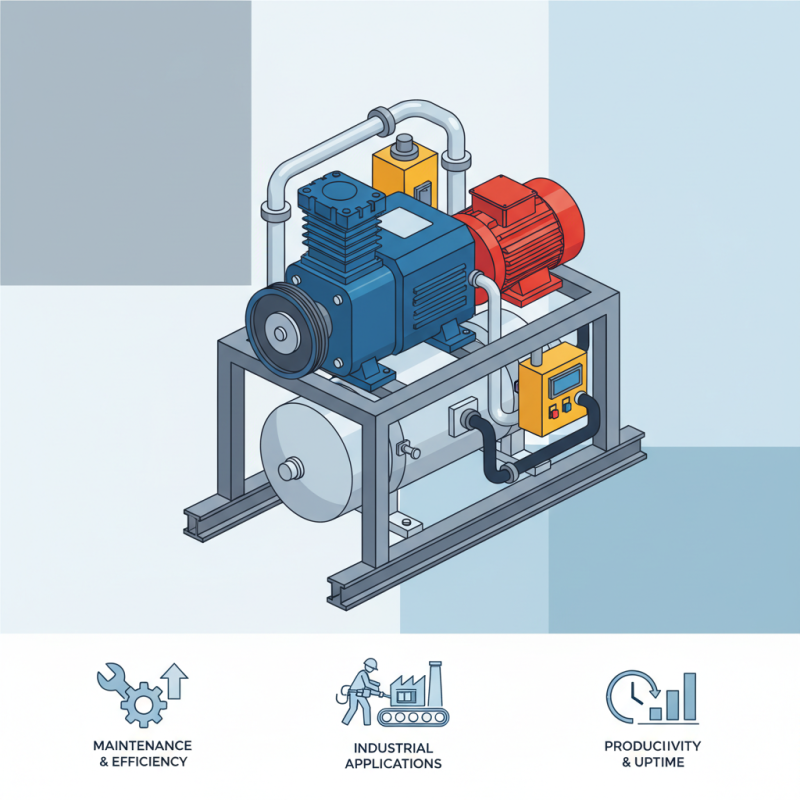
A Skid Compressor is a vital piece of equipment in various industries. This compact unit combines the compressor and its accessories on a single frame. It offers both portability and efficiency. Many companies prefer skid compressors for their reliability and ease of installation.
Understanding the mechanics of a Skid Compressor can greatly benefit operators. These units power pneumatic tools and equipment in construction and manufacturing. They are designed for both short-term projects and long-term operations. The simplicity of their design often belies the complexity of their function.
Maintenance is crucial to keep a Skid Compressor running smoothly. Users must regularly check components and ensure they compete effectively in their applications. The ability to troubleshoot mechanical issues is an essential skill. Ultimately, a well-maintained skid compressor can significantly increase productivity and reduce downtime.
What is a Skid Compressor?
A skid compressor is a compact, modular system designed for various industrial applications. It's commonly used in oil and gas, chemical processing, and water treatment sectors. These compressors are built on a frame or "skid," which simplifies installation and portability. According to a recent report by Grand View Research, the global gas compressor market is projected to reach USD 10 billion by 2027, reflecting the demand for efficient and reliable equipment like skid compressors.
The design of a skid compressor allows for easy transportation and installation. Typically, they include components such as the compressor unit, piping, and control systems, all pre-assembled. This ready-to-use feature minimizes the time and cost associated with on-site setup. Industry data shows that companies can save up to 30% on installation costs with skid-mounted systems. However, relying solely on skid compressors may limit operational flexibility. Companies should assess their specific needs before committing to this approach.
Tips: Always consider your operational requirements. Evaluate if a skid compressor meets your long-term goals. Additionally, ensure your staff is trained to handle these systems efficiently. Regular maintenance is crucial to avoid unexpected downtime and high repair costs.
Key Components of a Skid Compressor
A skid compressor is a compact unit designed for efficient gas compression. Understanding its essential components is crucial for effective application in various industries. A skid compressor typically includes a compressor package, an engine or electric motor, and ancillary components for optimal performance.
The heart of a skid compressor is its compressor package. This may employ screw, reciprocating, or centrifugal technology, depending on the application. According to industry reports, screw compressors are favored for their reliability and efficiency, particularly in continuous operation scenarios. The engine or electric motor powers the compressor, with drive mechanisms often using belts or gears. For maximum output, proper alignment and maintenance are vital.
Additionally, a skid compressor features several ancillary components. These can include heat exchangers, filters, and control systems that ensure safe and efficient operation. Heat exchangers play a critical role in managing temperature to enhance performance. Filters are essential for maintaining gas purity, which is vital for processes such as natural gas extraction. Control systems, often integrated with sensors, monitor performance metrics and enable real-time adjustments, contributing to reliability. However, overlooking regular maintenance can lead to decreased efficiency and potential failures. Thus, operators must prioritize consistent inspections and updates.
How Skid Compressors Function: A Step-by-Step Process
Skid compressors are essential components in various industrial settings. They are designed to provide reliable and efficient compressed air solutions. Understanding how they function is crucial for effective usage and maintenance.
The operation of a skid compressor involves several key steps. Initially, ambient air enters the intake filter. This filter removes larger particles, ensuring cleaner air. Once filtered, air is compressed by the internal mechanisms. The compressor's design allows for high pressure and volume. After compression, the air passes through a cooling system to manage temperature. Effective cooling is vital to maintain performance and extend equipment life. The compressed air is then stored, ready for use in pneumatic tools and processes.
Despite their efficiency, skid compressors require regular maintenance. Components like filters and oil levels demand attention. Neglecting these can lead to decreased performance or failures. Understanding these intricacies promotes better performance. Industry professionals must continuously evaluate their equipment and processes for improvements.
What is a Skid Compressor and How Does It Work?
| Feature | Description |
| Type | Skid-mounted air compressor |
| Power Source | Electric or diesel engine |
| Applications | Industrial, construction, and oil & gas sectors |
| Advantages | Portability, ease of installation, and space-saving design |
| Components | Compressor unit, fuel tank, control panel, and vibration dampers |
| Operation | Air is drawn in, compressed, and delivered to the application site |
| Maintenance | Regular checks on oil levels, filters, and operational efficiency |
Applications of Skid Compressors in Various Industries
Skid compressors are crucial across various industries due to their versatility and efficiency. In the oil and gas sector, these compressors manage gases associated with oil extraction. According to reports from the International Energy Agency, the demand for such solutions has grown by 4% annually. This rise is linked to the increasing focus on natural gas as a cleaner energy source.
In the manufacturing domain, skid compressors deliver compressed air for equipment and tools. Industries like metallurgy and chemical processing heavily rely on these systems. Research shows that compressed air accounts for up to 30% of industrial electricity consumption. This highlights the importance of optimizing skid compressor systems for energy efficiency.
Tips: Regular maintenance is vital. Scheduled checks can prevent costly downtime. Implementing a monitoring system can enhance performance and prolong equipment life. Remember, proper sizing of the compressor is critical. An oversized unit can waste energy, while an undersized one may not meet demand. Industry experts suggest evaluating operational needs thoroughly before installation.
Applications of Skid Compressors in Various Industries
This chart illustrates the distribution of skid compressor applications across different industries, showcasing their versatility and importance in supporting various operational needs.
Advantages and Disadvantages of Using Skid Compressors
Skid compressors are compact systems used in various industries, offering unique advantages and drawbacks. One significant advantage is their mobility. Being mounted on a skid, these compressors can be easily relocated, making them ideal for temporary setups. Businesses can adapt quickly without investing heavily in new infrastructure. This mobility also allows for efficient use of resources in remote locations.
However, while skid compressors are efficient, they may not be the best fit for every application. For instance, their size can sometimes limit output capacity. Users might find that larger operations require more robust solutions. Moreover, maintenance can be a concern. Accessing components for repairs might be challenging without proper training or tools. This could lead to downtime, impacting productivity.
Cost is another factor to consider. Although they may seem economical initially, the total lifecycle cost can add up. Operating expenses and maintenance over time can outweigh upfront savings. Nonetheless, when implemented thoughtfully, skid compressors can enhance performance. Balancing the initial benefits against long-term needs is crucial for businesses considering this equipment.