2026 How to Select the Best Teflon Check Valve for Your Needs?
When selecting a Teflon check valve, expertise is essential. Industry expert Dr. Sarah Thompson emphasizes, "Choosing the right valve can drastically affect system efficiency." Teflon check valves are vital in many applications, from chemical processing to pharmaceuticals. Their non-stick properties make them preferable in harsh environments.
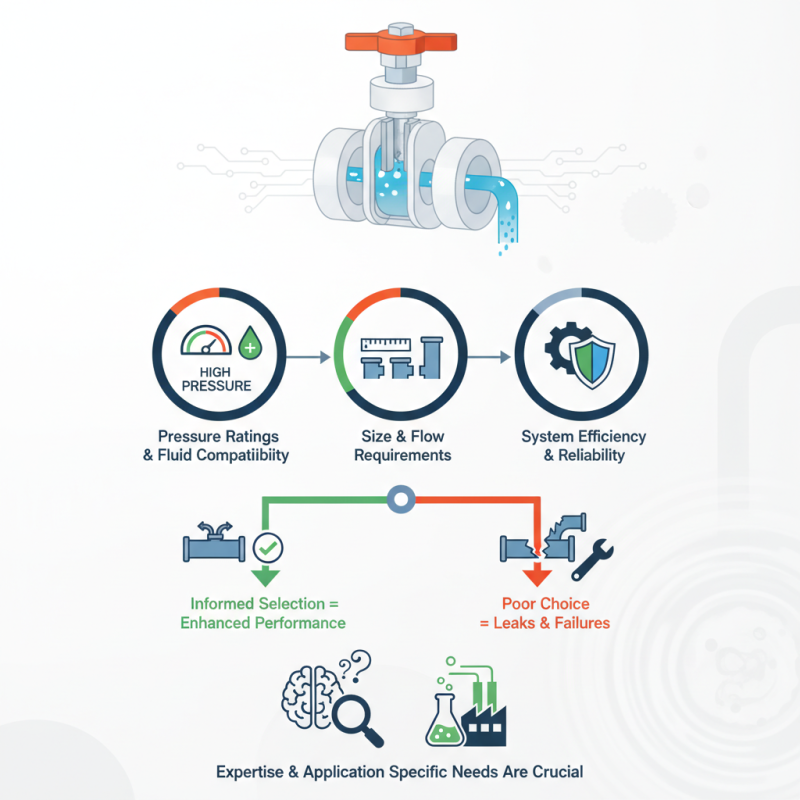
Understanding the specific needs of your application will guide your decision. Factors like pressure ratings, size, and compatibility with fluids are crucial. A well-chosen Teflon check valve can enhance performance and reliability, yet many overlook these details.
It can be tempting to go for the cheapest option. However, the initial savings may lead to long-term costs. A poor choice can cause leaks or failures, affecting overall operations. Thus, careful consideration of your unique requirements is critical for making an informed selection.
Understanding Teflon Check Valves and Their Applications
Teflon check valves play a critical role in various industries. They prevent backflow, ensuring the smooth operation of systems. Their unique properties make them suitable for applications where chemical resistance is essential. Teflon can withstand extreme temperatures and aggressive substances. This makes it a preferred material in many advanced settings.
When selecting a Teflon check valve, consider your specific needs. Think about factors like fluid type, temperature, and pressure. These elements can greatly influence performance. An incorrect choice could lead to system failures or leaks. It's essential to assess your application carefully. Engage with a professional. Their expertise can help you avoid mistakes.
However, not all situations are straightforward. Sometimes, the available options may not meet your requirements perfectly. This can lead to frustration during installation. It's important to remain flexible and open to alternatives. A thorough evaluation can save time and resources in the long run. Understanding your unique demands is key.
Key Factors to Consider When Selecting a Teflon Check Valve
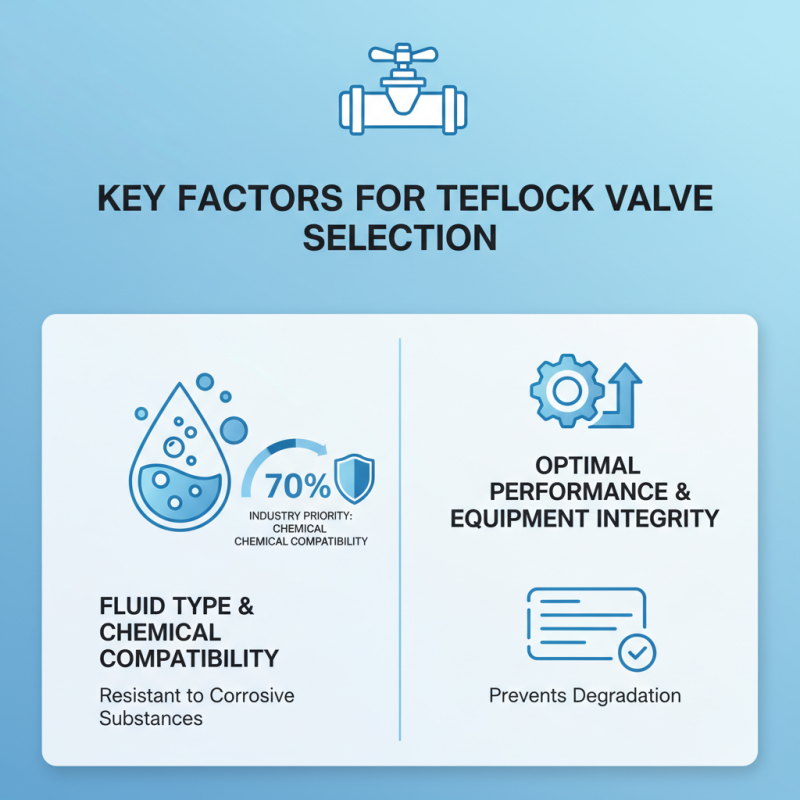
When selecting a Teflon check valve, several key factors must be considered to ensure optimal performance. The fluid type is critical. Teflon valves excel in harsh chemical environments, offering resistance to corrosive substances. According to a recent industry report, 70% of users prioritize chemical compatibility when choosing a valve. This ensures that the valve won’t degrade over time, safeguarding equipment integrity.
Pressure ratings are another essential aspect. High-pressure applications require valves rated to withstand such conditions. Many Teflon check valves support pressures up to 3000 psi. It’s vital to check these ratings to prevent valve failure or leaks. Installation conditions matter too, such as orientation and space constraints. Limited installations may require compact designs to function effectively.
Tip: Always refer to the manufacturer’s specifications when assessing compatibility. Be wary of assumptions. Even valves that look identical can differ significantly in performance.
Maintenance can often be overlooked. Regular checks can help identify wear and tear, ensuring longevity. Data indicates that proactive maintenance can extend valve life by up to 40%.
Tip: Keep a log of inspections. Documenting performance issues can offer insights into your valve’s behavior, helping you make informed decisions in the future. Understanding these variables can guide you toward the best Teflon check valve for your unique application.
Comparing Different Types of Teflon Check Valves Available
When exploring Teflon check valves, it's crucial to understand the different types available. These valves offer excellent chemical resistance, making them ideal for various applications. Generally, there are two main categories of Teflon check valves:
ball check valves and
diaphragm check valves. Each has its unique strengths and limitations. For example, ball check valves are renowned for their simple design and reliable performance. However, they may not be suitable for all flow conditions.
Diaphragm check valves, on the other hand, provide better sealing and are preferable in applications with fluctuating pressures. Their flexibility makes them versatile, but they might require more maintenance. It’s essential to evaluate your system's needs before choosing a type. Taking the time to consider the specifics will lead to better performance.
Tips: Always review the material compatibility for your application. Teflon offers stability, but extreme conditions may affect its longevity. Additionally, trial and error can help identify the best option. Testing different valves can reveal unexpected issues or benefits, guiding you towards a more informed choice. Consider monitoring the valve's performance over time, and be ready to make adjustments as needed.
Evaluating Size and Pressure Ratings for Your Specific Needs
Selecting the right Teflon check valve can significantly impact performance.
Size and pressure ratings are critical factors in this choice.
Begin by measuring the pipeline dimensions. A valve that’s too large can cause flow issues. Conversely, a valve that is too small might not handle the necessary pressure.
Next, consider the pressure ratings. Each application has specific pressure requirements. Using a valve rated too low can lead to failure. On the other hand, an oversized valve may lead to increased costs.
Understanding your system's pressure is key. Remember, oversizing is as much a risk as undersizing.
Finally, think about the materials. Teflon is known for its durability. However, it’s essential to assess compatibility with your fluids. Some chemicals may degrade materials faster than expected.
Regular checks on valve functionality can prevent unexpected issues. Relying solely on specifications isn’t enough; consider real-world performance and feedback as well.
Common Mistakes to Avoid When Choosing Teflon Check Valves
Choosing the right Teflon check valve can be challenging. Many users make common mistakes that hinder performance. It's crucial to avoid these pitfalls.
One frequent error is neglecting the application specifics. Different environments and liquids require unique valve features. Consider factors like temperature, pressure, and chemical compatibility. For instance, using a valve not rated for high pressure could lead to failure.
Another mistake is overlooking the installation requirements. Ensure the valve fits properly in your system. An improper fit can cause leaks. Always review the installation manual before proceeding.
**Tips:** Test compatibility in small batches before full implementation. This approach helps identify any issues early. Additionally, consult industry experts if in doubt. Their insights can save time and resources. Make informed choices to enhance system reliability and efficiency.
2026 How to Select the Best Teflon Check Valve for Your Needs? - Common Mistakes to Avoid When Choosing Teflon Check Valves
| Feature |
Description |
Common Mistakes |
| Material Compatibility |
Ensure the Teflon is compatible with the fluid type. |
Not considering the chemical compatibility. |
| Pressure Rating |
Check the maximum pressure the valve can handle. |
Choosing a valve without checking pressure requirements. |
| Temperature Range |
Valves should withstand the operational temperature. |
Ignoring the temperature limits of Teflon valves. |
| Size and Dimensions |
Confirm the size matches the piping system. |
Overlooking the sizing specifics. |
| Flow Direction |
Check the valve is installed in the correct flow direction. |
Installing in the wrong orientation. |
| Maintenance Requirements |
Understand the maintenance needed for longevity. |
Neglecting maintenance considerations. |