What Are PFA Lined Valves and How Do They Work?

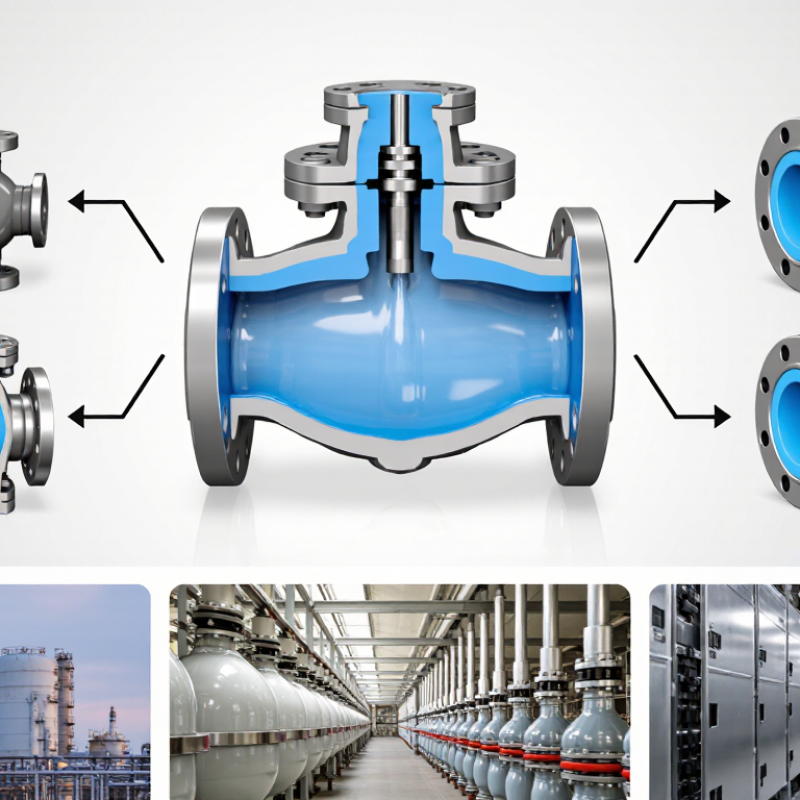
PFA lined valves are engineered for processes where ordinary metal surfaces may corrode, contaminate products, or fail under aggressive chemical exposure. Their internal wetted surfaces are covered with perfluoroalkoxy, commonly called PFA. This fluoropolymer creates a protective barrier between the process fluid and the valve body. The result is a valve designed for demanding chemical, pharmaceutical, semiconductor, and industrial applications.

The operating principle is straightforward, but the details matter. When an actuator, handwheel, or lever moves the valve mechanism, the lining remains between the fluid and the structural metal. In a lined ball valve, the PFA-lined ball rotates to open or close the flow path. Diaphragm and plug designs use different movement patterns, yet they follow the same protection strategy. The lining must stay intact, properly supported, and compatible with the process temperature and chemicals.

Good selection requires more than checking chemical resistance charts. Pressure, temperature changes, vacuum conditions, flow velocity, and installation stress can influence service life. A valve may resist a chemical perfectly but perform poorly under repeated thermal cycling. That point is often underestimated. Engineers should verify lining thickness, sealing design, actuator requirements, and manufacturer test data before approval. Correct installation also matters, especially at flanges where uneven tightening can damage the lining. When these factors are evaluated carefully, pfa lined valves can provide dependable isolation and flow control in severe operating environments. Still, no lining is universal. Each application deserves a measured review.
What Are PFA Lined Valves and How Do They Work?

What Are PFA Lined Valves?

PFA lined valves are process valves with a perfluoroalkoxy polymer layer covering wetted surfaces. PFA is a fluoropolymer known for high chemical resistance and low surface adhesion. The metal body supplies mechanical strength. The lining acts as a protective barrier.

Inside the valve, the fluid touches PFA rather than bare metal. A ball, plug, diaphragm, or butterfly disc then controls the flow. This design helps protect against acids, solvents, chlorides, and aggressive chemical mixtures. The exact performance depends on concentration, temperature, pressure, and cycling frequency.

The lining is not magic.

A typical PFA service range may approach 260°C, but the valve design can reduce that limit. Thermal expansion also matters. Poorly supported lining may deform during repeated heating and cooling. According to the NACE IMPACT study, corrosion carries a worldwide annual cost near 3.4% of global gross domestic product. PFA lined valves can reduce exposure-related damage, but they cannot eliminate inspection requirements.

Industrial users should examine lining thickness, vacuum capability, flange sealing, and permeability data. A valve suitable for dilute acid may fail with concentrated acid at elevated temperature. This is where laboratory compatibility charts can mislead. Real operating conditions often include pressure surges, abrasive particles, and cleaning cycles. Engineers should verify the complete duty profile against recognized standards, supplier test records, and site experience before selection.

How PFA Linings Protect Valve Components

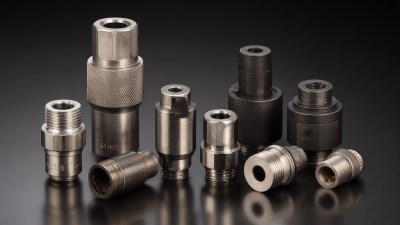
PFA lined valves use a seamless perfluoroalkoxy layer to separate corrosive media from the valve body. The lining covers wetted surfaces, including internal passages, seats, and sometimes plug or ball surfaces. This barrier helps protect metal components from acids, solvents, salts, and other aggressive fluids. It also provides a smooth surface, reducing deposits and supporting consistent flow control.

During operation, the valve opens or closes while the PFA lining remains between the process fluid and the structural metal. This design limits corrosion, contamination, and premature component failure. However, PFA is not indestructible. High temperature, pressure, vacuum conditions, or repeated thermal cycling can cause creep, swelling, or permeation. Material selection must match the fluid concentration and operating temperature. Small oversights matter.

Tips: Check the lining for blisters, cracks, discoloration, or exposed metal during scheduled inspections. Confirm flange alignment before installation, because uneven tightening can damage the lining. Avoid dragging sharp tools across sealing surfaces. Review torque requirements carefully. They vary by valve design. When service conditions change, reassess chemical compatibility instead of relying on previous experience. A qualified technician should document inspection results, pressure conditions, and any signs of lining movement. This record supports safer maintenance decisions and may reveal gradual damage before leakage develops.

Key Parts and Construction of PFA Lined Valves

What Are PFA Lined Valves and How Do They Work?

Key Parts and Construction of PFA Lined Valves

PFA lined valves combine a metal pressure body with a chemically resistant PFA barrier. The metal body provides mechanical strength. The PFA liner protects wetted surfaces from acids, solvents, and aggressive process fluids. NACE’s IMPACT study estimated global corrosion costs at about US$2.5 trillion annually, equal to 3.4% of global GDP. Proper lining can reduce exposure-related failures, although it cannot correct poor valve selection.

The main parts include the body, liner, stem, closure element, seats, and flange sealing areas. In a ball valve, the PFA-lined ball rotates against polymer seats. In a butterfly valve, the liner often covers the disc contact zone. The liner must remain continuous around corners and bolt areas. Small gaps can trap fluid and start under-film corrosion. Temperature changes also matter. PFA expands more than steel, so manufacturers must control molding, backing support, and thermal cycling. A valve may look sound outside yet suffer internal liner damage. That is an uncomfortable inspection lesson.

Tips: Check chemical compatibility, temperature, pressure, and permeation data together. Inspect flange faces before installation. Avoid overtightening bolts. Verify liner continuity with suitable electrical or visual testing. Record torque values and operating conditions. Industry guidance from NACE and ASTM emphasizes documented inspection practices, but field conditions still vary. A single compatibility chart is not enough. Consult the fluid supplier and valve engineer when mixtures, solids, or rapid temperature changes are involved.

How PFA Lined Valves Operate

PFA-lined valves operate by combining a strong outer body with a chemically resistant inner lining. The body handles mechanical loads. PFA protects wetted surfaces from corrosive fluids. When an actuator turns the stem, the internal closure element moves. Flow then opens, restricts, or stops.

In a lined ball valve, a PFA-covered ball rotates inside matching seats. A quarter turn can change the valve from fully open to fully closed. Butterfly valves use a lined disc that pivots across the flow path. Diaphragm valves press a flexible lined membrane against a weir. Manual handles provide direct control, while pneumatic or electric actuators support remote operation. Control accuracy depends on correct sizing and stable actuator torque.

Operating conditions still matter. Excessive pressure can deform sealing areas, especially during repeated cycling. High temperatures may increase PFA expansion, while sudden cooling can stress the lining. Compatibility charts should be checked against the actual chemical concentration and temperature. Inspectors often examine flange faces, stem seals, and signs of blistering or separation. A small installation error can matter. Tightening bolts unevenly may distort the lining and create leakage paths. In practice, these valves are reliable, but not maintenance-free. Temperature swings, abrasive particles, and poor alignment can reduce service life.

What Are PFA Lined Valves and How Do They Work? - How PFA Lined Valves Operate

Data Dimension Typical Data or Description How the Valve Operates Operational Significance
Basic construction A metallic pressure-containing body with a corrosion-resistant PFA lining on wetted surfaces. The metal body supplies mechanical strength, while the PFA layer separates the process fluid from the metal. Combines structural strength with high resistance to many aggressive chemicals.
PFA lining material Perfluoroalkoxy polymer, a fluoropolymer with very low chemical reactivity and low surface energy. The lining forms a continuous barrier across the body cavity and, where applicable, the disc, ball, plug, or diaphragm contact area. Helps reduce corrosion, contamination, product adhesion, and fluid permeation compared with many conventional materials.
Common valve types Ball, butterfly, diaphragm, plug, check, and globe configurations can be supplied with PFA wetted linings. The actuator or handwheel moves the internal closure element to open, throttle, or stop flow. The correct type depends on shutoff requirements, throttling duty, solids content, pressure, and maintenance needs.
Ball valve action A quarter-turn design with a drilled ball and polymer-lined seats. Turning the stem by approximately 90 degrees aligns the ball opening with the pipeline for flow or rotates the solid ball across the passage to stop flow. Provides fast operation and generally low flow resistance when fully open.
Butterfly valve action A quarter-turn valve using a centrally mounted disc with a PFA-lined seat or body surface. The disc rotates about 90 degrees; parallel alignment allows flow, while the crosswise position blocks the passage. Compact and lightweight, but the disc remains in the flow path and can create pressure loss.
Diaphragm valve action A flexible diaphragm separates the actuator mechanism from the process fluid; the wetted area may be PFA-lined. The actuator presses the diaphragm onto a weir or seat to stop flow and lifts it away to permit flow. Reduces dead spaces and protects the actuator from corrosive media; diaphragm compatibility and fatigue must be checked.
Plug valve action A cylindrical or tapered plug rotates inside a lined body and contains a flow passage. A quarter-turn rotation aligns or misaligns the plug passage with the pipe bore. Offers direct shutoff operation and can be suitable for corrosive services when torque and lining design are appropriate.
Check valve action An automatically operated non-return valve with a lined poppet, ball, swing disc, or similar closure element. Forward differential pressure opens the closure element; reverse flow or backpressure forces it closed. Prevents reverse flow without a manual actuator, although suitable closing speed is important to limit water hammer.
Flow control method On/off isolation is common; some designs are suitable for limited throttling service. A partial change in closure position changes the available flow area and therefore the flow rate. Continuous throttling can increase velocity, turbulence, wear, and pressure drop; the valve manufacturer’s service limits should be followed.
Typical temperature capability PFA is commonly used across approximately −20 °C to +200 °C, but the valve assembly rating may be lower. Temperature changes cause thermal expansion and contraction of the PFA lining and metal body. Actual limits depend on pressure, lining thickness, valve design, cycling frequency, and the specific PFA grade.
Pressure capability Pressure ratings vary widely by nominal size, body design, temperature, lining construction, and applicable standard. The metal body contains line pressure while the lining protects the pressure boundary from the process medium. Do not infer a pressure rating from the PFA material alone; use the complete valve’s pressure-temperature rating.
Chemical resistance Generally resistant to many acids, bases, solvents, and halogen-containing chemicals. The PFA barrier limits direct contact between the process fluid and the metallic body or trim. Compatibility must still be verified for concentration, temperature, exposure time, permeation, and mechanical stress.
Sealing principle Sealing commonly relies on PFA seats, diaphragms, gaskets, or contact surfaces supported by the valve body. Actuator force pushes the closure element against the lined sealing surface, limiting leakage through the valve. Excessive torque, thermal cycling, particles, or incorrect installation can damage sealing surfaces.
Installation orientation Depends on the valve type; many inline valves can be installed in several orientations, subject to the manufacturer’s instructions. The flow direction, stem position, drainability, and actuator clearance affect operation and maintenance. Correct alignment prevents pipe strain, flange damage, uneven seat loading, and premature lining wear.
Typical applications Chemical processing, semiconductor manufacturing, pharmaceutical production, water treatment, and corrosive chemical transfer. The valve isolates, directs, prevents reverse flow, or regulates a process stream while limiting metal exposure. Selection should consider fluid chemistry, solids, temperature, pressure, flow velocity, cleanliness, and required leakage class.

Note: Temperature and pressure values are typical engineering ranges or selection guidelines, not universal ratings. Final limits must be confirmed from the complete valve design and the applicable pressure-temperature documentation.

Common Applications and Selection Considerations

PFA-lined valves are used where ordinary metal surfaces may react with aggressive chemicals. A PFA lining creates a chemically resistant barrier between the fluid and the valve body. This design is common in chemical processing, acid transfer, water treatment, semiconductor production, and high-purity manufacturing. It can handle media such as strong acids, solvents, and corrosive salts. However, chemical resistance alone does not guarantee safe operation.

Selection should begin with the actual fluid, concentration, temperature, pressure, and flow rate. Check the full operating range, including cleaning cycles and unexpected temperature peaks. PFA may resist a chemical at room temperature but perform differently at elevated temperatures. That detail is easy to miss. Engineers should also examine permeability, vacuum conditions, and possible pressure cycling. A valve suitable for liquid service may not suit vapor service. Slurries require extra care because abrasive particles can damage seals or exposed lining areas.

The valve type should match the process duty. Ball valves support fast isolation, while butterfly valves often suit larger pipelines and lighter weight requirements. Diaphragm valves can protect sensitive fluids from exposed moving parts. During field inspections, I look for lining cracks, flange misalignment, damaged sealing surfaces, and signs of cold flow. These small defects can become serious leakage paths. PFA-lined valves also need compatible gaskets, proper torque, and controlled installation. Choosing the lowest-cost option is tempting, but it may overlook maintenance access and future replacement needs. That choice deserves a second review.

What Are PFA-Lined Valves and How Do They Work?

PFA-lined valves use a chemically resistant fluoropolymer barrier between the process fluid and the valve body. The chart provides rounded temperature reference points that support common application and material-selection discussions.

PFA-lined valves are commonly considered for corrosive chemical service, semiconductor wet processing, pharmaceutical systems, and high-purity applications. Final selection must also verify pressure, vacuum conditions, permeation, thermal cycling, valve type, liner thickness, and chemical compatibility. Actual limits vary by valve construction and operating conditions.