What is a Flexible PCB and How is it Used?
Flexible Pcbs, also known as flexible printed circuit boards, have revolutionized the electronics industry. According to Dr. Angela Lin, a leading expert in flexible electronics, "Flexible PCBs are the backbone of modern miniaturization." Their ability to bend and adapt makes them essential in devices like smartphones, wearables, and medical equipment.
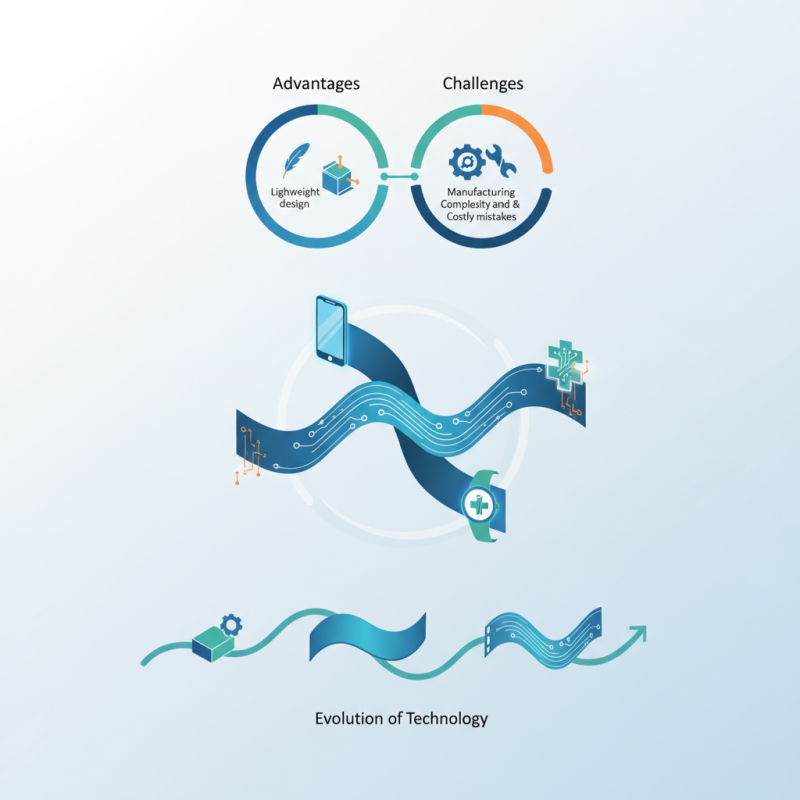
These circuits offer various advantages, such as lightweight design and space-saving capabilities. However, the manufacturing process can be complex. Not every design is feasible with flexible PCBs, and mistakes can be costly. Engineers must carefully consider material selection and layout.
Despite the challenges, the flexibility of these boards enables innovative designs. They can be found in everyday items, transforming them into more efficient products. The industry must continue to address its shortcomings, ensuring that flexible PCBs meet the evolving demands of technology.
Definition and Characteristics of Flexible PCBs
Flexible PCBs, or printed circuit boards, offer remarkable adaptability in design. Unlike traditional rigid boards, these circuits can bend and twist. This feature is vital for applications in compact spaces, like smartphones and wearables. In fact, the market for flexible PCBs is projected to reach $30 billion by 2026, according to a recent market analysis.
These circuits typically use polyimide or polyester as substrates. This makes them lighter and thinner. The flexibility allows for intricate designs that can conform to various shapes. However, manufacturing flexible PCBs can be challenging. The production process requires precision and specific materials, which can lead to higher costs. Data suggests that nearly 25% of flexible PCBs produced may face quality control issues during manufacturing.
The use of flexible PCBs spans multiple industries. They are integral in medical devices, automotive applications, and consumer electronics. Each sector demands reliability and performance, but the design complexity can pose risks. Designers must strike a balance between flexibility and durability. Ideally, a flexible PCB should withstand mechanical stress while maintaining electrical performance. Yet achieving this can sometimes lead to trade-offs in other areas, such as cost and availability of materials.
Usage of Flexible PCBs Across Different Industries
Common Materials Used in Flexible PCB Manufacturing
Flexible PCBs are increasingly popular in modern electronics. Their lightweight and bendable properties make them ideal for compact designs. The manufacturing process relies heavily on specific materials that ensure durability and flexibility.
Polyimide is a common choice for flexible substrate. It offers excellent heat resistance and can withstand high temperatures. Another frequently used material is polyester, known for its cost-effectiveness. However, polyester may lack the same thermal stability as polyimide. There is also copper, which is essential for conductive pathways. But, achieving reliable connections can sometimes pose challenges.
Additionally, adhesive layers are crucial in laminated construction. These adhesives must be strong, yet flexible enough to maintain the PCB's integrity. Often, these materials can be sensitive to environmental factors, raising questions about long-term reliability. Each material must be chosen carefully, balancing performance and cost. Over time, manufacturers must reflect on how material choices impact product lifespan and functionality.
Key Advantages of Using Flexible PCBs
Flexible printed circuit boards (PCBs) offer distinct advantages that are reshaping the electronics industry. These boards are lightweight and thin. They can bend and twist, fitting into compact spaces. In consumer electronics, flexible PCBs are increasingly used. They're ideal for devices like smartphones and wearables. The global market for flexible PCBs is expected to reach $35 billion by 2027. This growth indicates a strong demand for compact, efficient designs.
One key advantage is their durability. Flexible PCBs withstand stress better than traditional rigid boards. They endure twisting and bending with reduced risk of failure. Research shows that flexible circuits have a lower chance of fatigue, extending the lifespan of electronic devices. Another benefit is the reduction in assembly time. With fewer components needed, manufacturers can streamline production. This efficiency can lead to significant cost savings. Despite these benefits, designers must be cautious. Improper design can lead to failures in flexibility and conductivity.
Environmental factors also play a role. Flexible PCBs often use materials that can be less eco-friendly. As sustainability becomes a focus, manufacturers must adapt. Balancing performance and environmental impact remains a challenge. Furthermore, the complexity in design could introduce risks. Engineers need thorough testing to ensure reliability. The advantages of flexible PCBs are clear, but there are hurdles to overcome.
Applications of Flexible PCBs in Various Industries
Flexible printed circuits (PCBs) are transforming various industries. Their adaptability allows for innovative designs and efficient manufacturing processes. According to a 2022 industry report, the flexible PCB market is projected to grow by 8.5% annually.
In the consumer electronics sector, flexible PCBs are essential. They are lightweight and compact, fitting into slim devices like smartphones and wearables. An estimated 45% of flexible PCBs are used in this field. Additionally, automotive applications are increasingly adopting flexible circuits for advanced features such as sensors and flexible displays. In fact, the automotive sector is expected to account for up to 30% of the demand by 2025.
The medical industry also benefits from flexible PCBs. They are crucial for devices such as compact diagnostic equipment and wearable health monitors. A recent survey indicated that around 20% of flexible PCBs are utilized in medical applications. However, challenges remain. Reliability is a key issue. Manufacturers must ensure that these circuits can withstand extreme conditions. Companies need to continue improving production techniques to address these concerns effectively.
Design Considerations for Flexible PCB Development
When developing flexible printed circuits (PCBs), several design considerations come into play. One important factor is the choice of substrate material. Materials such as polyimide or polyester offer flexibility and durability. According to recent industry reports, flexible PCBs are expected to grow at a CAGR of 10% through 2026. This growth highlights the importance of selecting appropriate materials that can withstand bending and twisting.
Another key consideration is the layout design. Designers must optimize the arrangement of components while minimizing the potential for mechanical stress. Utilizing simulation software can aid in visualizing how the PCB will behave under different conditions. However, this requires a deep understanding of both thermal and mechanical properties. A survey indicated that nearly 40% of flexible PCB projects encounter issues related to layout mistakes.
Additionally, the manufacturing process for flexible PCBs presents unique challenges. Unlike rigid boards, flexibility requires precise handling during production. Misalignment can lead to failures that are costly to rectify. As indicated in a recent study, 15% of all flexible PCB failures stem from manufacturing defects. Hence, thorough testing and validation strategies are essential to ensure reliability in real-world applications.
What is a Flexible PCB and How is it Used? - Design Considerations for Flexible PCB Development
| Feature | Description | Applications | Advantages | Considerations |
| Flexibility | Can bend and twist without breaking | Wearable devices, medical devices | Lightweight, compact design | Durability under repeated bending |
| Material | Typically made from polyimide or polyester | Automotive electronics, consumer electronics | High thermal stability | Material selection impacts performance |
| Design Complexity | Can accommodate complex shapes and designs | Smartphones, tablets | Increased design flexibility | Tighter manufacturing tolerances required |
| Stack-up Configuration | Single-sided, double-sided, or multi-layer | Drones, robotics | Versatility in design | Signal integrity considerations |