How to Use a Sight Glass Indicator Effectively in Your Equipment?
In industrial settings, a sight glass indicator is an essential tool for monitoring fluid levels. Expert Anna Mitchell, a senior engineer at FluidTech Inc., emphasizes, “A sight glass indicator provides clarity and precision in operations.” Understanding how to use this tool effectively can prevent costly mistakes.
Many professionals overlook the importance of regular inspections. This leads to errors in fluid identification and level assessment. A reliable sight glass indicator can enhance safety and efficiency. However, improper use can result in misinterpretation. Users must always ensure cleanliness and the right angle of observation.
Training is key to effective usage. Each person operating machinery should know the specific indicators on their sight glass. Teams often forget to maintain these tools, affecting their performance. Implementing routine checks and fostering a culture of awareness can improve overall operations significantly. A sight glass indicator should enhance your machinery, but it requires attentive handling.

Understanding the Purpose of a Sight Glass Indicator in Equipment
A sight glass indicator is an essential tool in various types of equipment. It allows operators to visually monitor fluid levels and conditions. With a sight glass, you can quickly determine if the fluid is at the correct level. This observation can prevent equipment malfunctions. It also helps in maintaining proper function. However, some people overlook its importance.
Understanding the purpose of a sight glass indicator is crucial in ensuring operational efficiency. It not only shows fluid levels but also alerts users to potential issues. Discoloration or bubbles can indicate contamination or air in the system. These details are vital for troubleshooting. Yet, not everyone checks it regularly, which can lead to bigger problems. Sometimes, it might seem tedious to stop and look, but this small step can save time and money.
While using a sight glass indicator can be straightforward, it also requires diligence. Regular maintenance of the sight glass itself is necessary. A dirty or cracked sight glass can obscure the view, leading to missed warnings. Operators should ensure that it is clean and in good condition. Ignoring this can create blind spots in monitoring fluid conditions. A few moments spent inspecting can make a significant difference in performance and safety.
Types of Sight Glass Indicators and Their Applications
Sight glass indicators are essential tools in various industries. They provide real-time visual feedback about liquid levels in systems. Several types exist, each suited for specific applications.
The most common type is flat sight glass, widely used in storage tanks and boilers. According to a recent industry study, about 60% of facilities prefer this type due to its simple installation. Its transparency allows quick monitoring without opening the system. However, it's less effective in high-pressure situations. Users need to reflect on their processes to avoid mishaps.
Another type is curved sight glass, often found in high-pressure applications. This design can withstand stress better than flat glass. A report showed that 30% of industrial users favor curved sight glasses for safety. Yet, they require precise alignment during installation. Misalignment can lead to leaks, posing risks. Regular checks are vital to ensure functionality and safety. Thus, understanding the specific needs of a facility is crucial for the efficient use of sight glass indicators.
Installation Guidelines for Sight Glass Indicators in Machinery
Installing a sight glass indicator in machinery requires careful consideration. Proper installation is crucial for accurate monitoring of fluid levels. According to industry reports, improper installation can lead to system failures in 30% of cases. This means clear and precise guidelines are essential.
The first step involves selecting the correct location. Ideally, sight glass indicators should be installed where visibility is optimal. This ensures operators can quickly check fluid levels without straining or making errors. Additionally, avoid installing near potential hazards. Experts recommend a distance of at least three feet from high-pressure systems.
Next, ensure surface compatibility. The sight glass should fit securely against the equipment surface. Use proper gaskets to prevent leaks. A report by the Fluid Handling Association states that 15% of leaks occur from poor sealing. Operators should double-check for any inconsistencies. Overall, these meticulous steps may enhance functionality but can sometimes lead to overlooking smaller details. Such oversights could potentially compromise the performance of the sight glass indicator, emphasizing the need for thorough training and awareness among staff.
Usage Statistics of Sight Glass Indicators in Machinery
Best Practices for Monitoring Fluid Levels with a Sight Glass
Monitoring fluid levels with a sight glass is crucial for many systems. A research report from the Fluid Power Journal highlights that improper fluid levels can lead to 25% efficiency loss in hydraulic systems. Therefore, using a sight glass correctly can save both time and money for operations.
When observing fluid levels, ensure the sight glass is clean and unobstructed. A dirty or fogged glass can give misleading readings. It’s essential to check these indicators weekly, especially in high-demand environments. Regular inspections can prevent unexpected machine downtime.
Consider the environmental factors affecting the sight glass. Extreme temperatures or vibrations can cause wear. Such conditions might lead to cracks or leaks in the sight glass itself. While it seems simple, using a sight glass effectively requires ongoing attention and maintenance. Over time, neglecting these indicators can result in larger, costlier issues. Regular reflection on the condition and functionality of your sight glass is necessary for reliable operations.
Troubleshooting Common Issues with Sight Glass Indicators
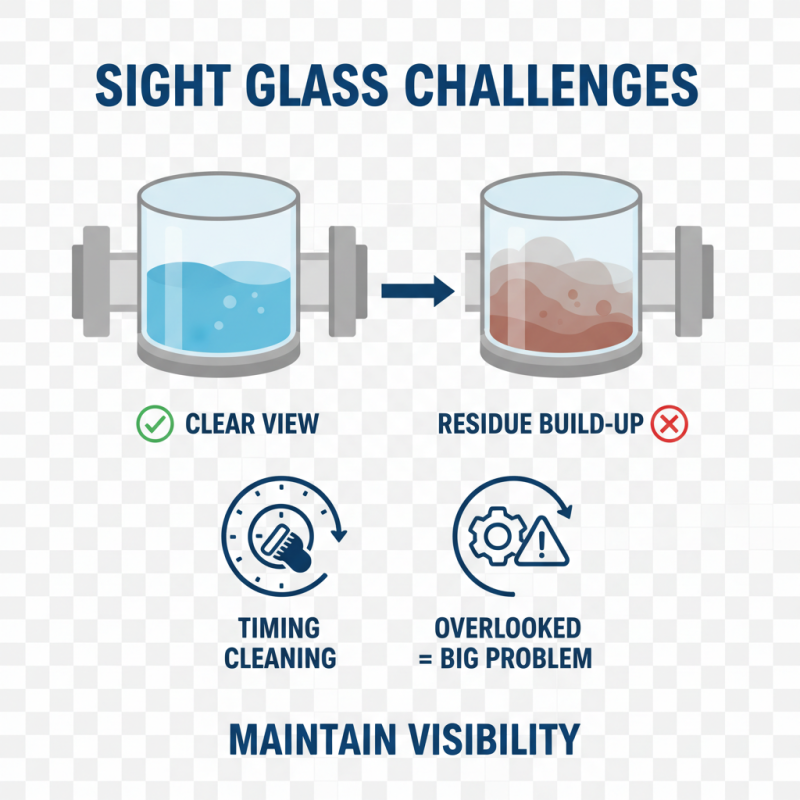
Sight glass indicators are invaluable tools in various equipment, yet they often present challenges. One common issue is the accumulation of residue. If the sight glass is clouded, it's tough to assess the fluid level or condition accurately. Regular cleaning is necessary, but timing can be tricky. If overlooked, this small issue can grow into a major concern.
Another frequent problem is improper installation. A faulty seal can lead to leaks. Identifying these leaks early is crucial. Tightening connections may help, but sometimes a complete reinstallation is necessary. Watch for discoloration around the edges; this could indicate a failing seal. Also, vibrations from equipment can exacerbate these problems.
Lastly, temperature fluctuations can affect the sight glass’s integrity. It can cause warping or cracking. Regular checks are essential, especially in extreme conditions. Noticing these signs promptly can prevent further issues. Equipment maintenance is an ongoing task that requires attention to detail and a proactive approach.