How to Choose Welded Ball Valves for Global Sourcing?
Choosing a Welded Ball Valve for global sourcing requires more than comparing prices and delivery dates. The valve must match the service conditions, connection design, and project documentation requirements. In practical procurement, small omissions can create expensive delays. A valve may look suitable in a catalog, yet fail to meet pressure, temperature, or material expectations.
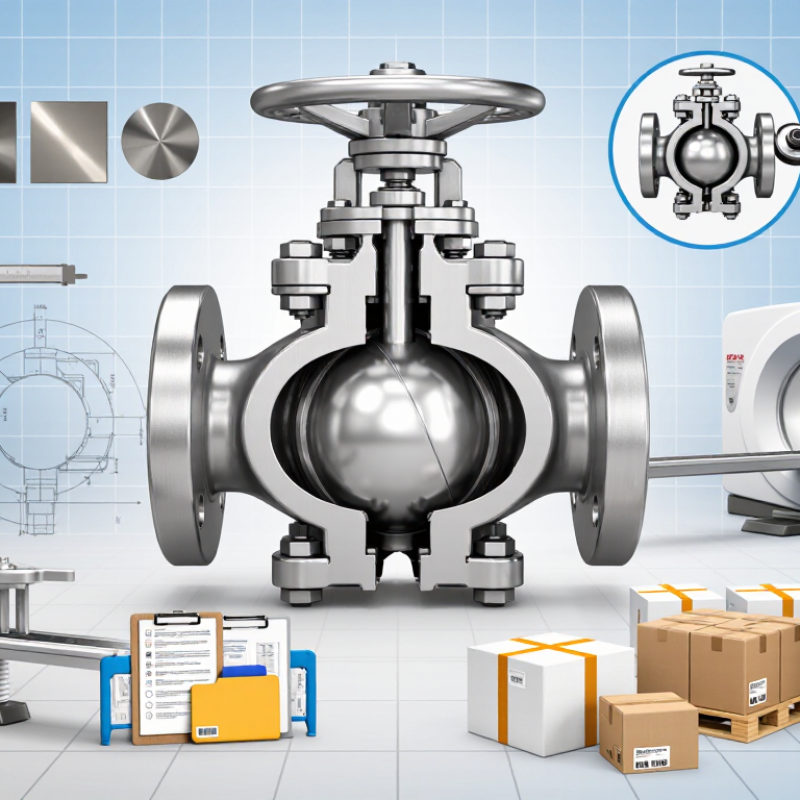
Buyers should examine body materials, ball and seat construction, weld quality, operating torque, and corrosion resistance. End users also need clear information about pressure ratings and test procedures. Reliable manufacturers can provide dimensional drawings, material certificates, pressure-test records, and traceability documents. These details support technical review and reduce uncertainty between the factory and the installation site.
Supplier evaluation matters equally. Review manufacturing experience, quality controls, inspection equipment, and export history. Ask how welds are inspected. Ask who approves the final release. A responsive supplier is valuable when specifications change or documents contain errors. Even experienced teams miss details sometimes. No checklist is perfect. Therefore, sample approval, independent inspection, and controlled communication remain practical safeguards.
Global sourcing also involves packaging, shipping conditions, spare parts, and after-sales support. A correctly manufactured valve can still arrive damaged or lack installation guidance. Buyers should confirm labeling, preservation methods, delivery terms, and replacement procedures before placing an order. This guide explains the main selection points, common sourcing risks, and reliable evaluation methods. It focuses on evidence, not impressive claims. Small details matter.
Assess Service Conditions: DN/NPS, Class 150–2500, Temperature, and Media
A welded ball valve should match the pipeline, not merely its purchase specification. Confirm the nominal size in DN or NPS, because these systems are related but not always interchangeable. Check the actual bore, wall thickness, connection dimensions, and flow requirements. A DN100 valve may not equal every NPS 4 installation detail. Small differences can delay field work.
Pressure class needs careful interpretation. Class 150–2500 describes pressure-temperature performance, not one fixed pressure value. Review the applicable design code, operating pressure, test pressure, and temperature together. At elevated temperatures, allowable pressure usually decreases. I have seen teams select Class 600 from a pressure label alone, then discover that thermal conditions changed the rating. The datasheet must show the complete pressure-temperature table.
Media selection is equally practical. Identify the fluid, concentration, viscosity, solids, toxicity, and corrosion potential. Methanol, seawater, sour gas, and abrasive slurry demand different body, ball, seat, and stem materials. Temperature cycles also matter. A valve exposed to −40°C startup and 180°C operation may need special seals and low-temperature impact verification. Consider thermal expansion in the welded body and confirm weld-end preparation.
For global sourcing, request material certificates, pressure-test records, dimensional drawings, and traceable serial documentation. Verify whether inspection covers the assembled valve or only pressure-containing parts. This detail is often missed. Face reality: a polished certificate cannot correct an unsuitable seat material. Independent inspection can expose gaps, although it adds time and cost. That trade-off deserves honest review before ordering.
Compare Suppliers Using FAT, PMI, Cycle Tests, and 100% Shell Testing
When sourcing welded ball valves globally, compare suppliers through evidence, not polished brochures. A Factory Acceptance Test (FAT) should cover dimensions, materials, operation, leakage, and pressure performance. Request the approved procedure before testing begins. Confirm the valve size, pressure class, test medium, holding time, and acceptance criteria. A short test record can hide important gaps.
Positive Material Identification (PMI) verifies the alloy used for the body, ball, stem, and pressure-retaining parts. Ask for readings linked to heat numbers and material certificates. Portable PMI equipment must be calibrated and used on clean surfaces. Paint, scale, or poor access can distort results. This detail is easy to overlook.
Cycle testing shows whether the valve survives repeated opening and closing. Define the cycle count, torque limits, pressure conditions, and leakage checks. Sampling may be acceptable for a qualified design, but it should not replace engineering judgment. Require 100% shell testing for every valve, with recorded pressure, duration, and results. Inspectors should witness selected tests and verify serial-number traceability. Documentation matters. Yet paperwork alone is not enough. Test gauges need current calibration, and operators must follow the approved sequence. One supplier may provide excellent reports but weak test discipline. Another may perform reliable work with less polished documents. Compare both the records and the physical controls behind them.
Control Global Supply Risk with MOQ, Incoterms, Lead Times, and Traceability
When sourcing welded ball valves globally, supply risk starts before the technical drawing is approved. Define pressure class, body material, end dimensions, seat type, and testing requirements in one controlled specification. Then ask suppliers for a realistic MOQ, not only an attractive sample quotation. Small orders can carry hidden costs. An MOQ of 50 valves may suit standard sizes but become expensive with custom machining. Review production records and previous shipment quantities where available.
Incoterms can change the real purchase cost significantly. FOB may look cheaper, while freight, insurance, and port handling remain uncertain. Confirm who pays at each delivery stage. Request separate pricing for the valve, packaging, inland transport, and ocean freight. Lead time also needs written detail. Ask for a production schedule covering material approval, welding, machining, pressure testing, inspection, and dispatch. Add buffer days. Do not trust optimistic dates without capacity evidence. Some delays come from approved drawings, not factory speed.
Traceability should connect each valve to material certificates, heat numbers, weld records, inspection reports, and final test results. For welded bodies, request weld procedure details and non-destructive examination records when required by the specification. Photographs help, but they cannot replace controlled documents. Keep serial numbers linked to shipment cartons. During one review, I found certificates using inconsistent heat numbers. The valves passed visual inspection, yet the paperwork required correction. That gap changed our release process. Perfect systems are rare. Clear evidence is still essential.
How to Choose Welded Ball Valves for Global Sourcing?
Control global supply risk by comparing MOQ, Incoterms, lead times, and traceability before placing an order.
The benchmark uses practical procurement screening thresholds: MOQ at or below 100 units, lead time at or below 30 days, complete heat-lot traceability, and buyer-controlled freight under FCA or FOB-style arrangements. Lower MOQ and shorter lead times reduce inventory exposure, while complete traceability supports quality verification and recall control.