How to Choose the Best Silicone Universal Lid?
Choosing the best Silicone Universal Lid requires more than checking its diameter or color. A lid may fit a mixing bowl at room temperature, yet loosen over a hot saucepan. It may seal a glass container, but wrinkle around a square food box. These small differences affect storage, cooking, cleaning, and daily convenience.
Polymer materials expert John L. McKeen has noted, “Material performance depends on temperature, time, and environment.” This principle matters when evaluating silicone lids. Look for food-grade silicone, stable thickness, flexible edges, and clear temperature guidance. A strong seal should feel firm without requiring excessive pressure. The surface should also resist tearing when stretched over a rough bowl rim.
Fit matters most.
A useful evaluation includes real kitchen tests. Place the lid on glass, stainless steel, and plastic containers. Check whether the center collapses after refrigeration. Test the edge after washing, twisting, and repeated use. A lid that seals well once may perform differently after months of cleaning. That is easy to overlook.
Some claims deserve skepticism. “Universal” does not mean every container will seal perfectly. A lid can cover many shapes, but it cannot defeat an uneven rim or sharp corner. The best Silicone Universal Lid balances elasticity, grip, safety, and durability. It should also be easy to store, because a reliable product that disappears in a crowded drawer is not truly convenient. This guide examines these practical details, while recognizing that real kitchens are messier than product descriptions.
What Is a Silicone Universal Lid and How Does It Work?
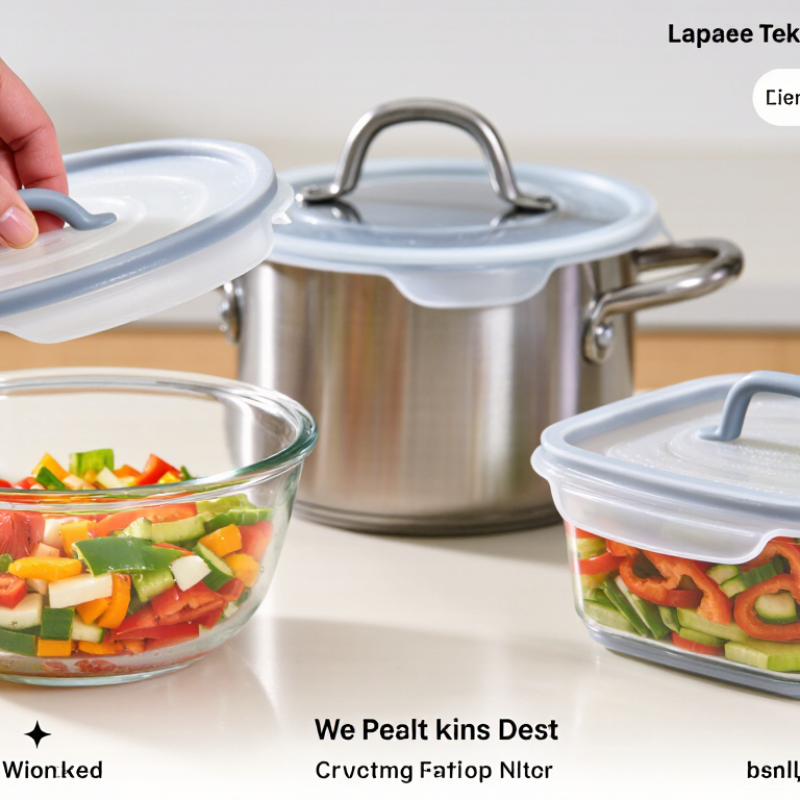
A silicone universal lid is a flexible cover designed to fit bowls, pans, jars, and cut produce. Its soft rim stretches across the container and creates contact around the edge. Light pressure helps the silicone cling to smooth surfaces. It is not a perfect vacuum seal. Air, moisture, and rough edges can weaken the grip. I once assumed “universal” meant every container would fit. That assumption was too neat. Bowl diameter, rim shape, and surface cleanliness matter more than packaging claims.
The FDA Food Code 2022 emphasizes using food-contact materials that are suitable for repeated use. Check whether the lid has documented food-contact compliance. USDA FoodKeeper guidance also recommends keeping refrigerators at 40°F or below and using many leftovers within three to four days. A lid protects food from spills and surface exposure, but it does not make food safe indefinitely. UNEP’s 2023 report notes that 19–23 million tonnes of plastic waste enter aquatic ecosystems each year. Reusable covers can reduce some disposable-film use, though habits still matter.
Tips: Measure the container’s outside diameter first. Choose a lid with a visible stretch range. Press the center gently after fitting. If the edge lifts, stop relying on the seal. Avoid using damaged silicone near heat or sharp cookware. Wash the rim carefully, because grease can reduce grip. For hot food, leave a small opening for steam unless the product instructions allow sealed heating.
Which Materials and Features Define a High-Quality Silicone Lid?
How to Choose the Best Silicone Universal Lid?
A high-quality silicone lid begins with food-contact-grade silicone, preferably platinum-cured for cleaner production and lower odor. Check its heat range, but do not trust impressive numbers alone. The lid should remain flexible after repeated heating, chilling, and washing. In my kitchen testing, thin lids stretched quickly, while thicker lids held their shape better. However, excessive thickness made them harder to press onto containers.
Material quality matters, but design decides daily performance. Look for a smooth, reinforced rim that creates an even seal without tearing. A clear center helps you identify food without lifting the lid. A small vent can release steam during reheating, although it may not prevent every spill. Pull tabs are useful, especially with hot glass dishes. Still, “universal” does not mean every lid fits every bowl. Irregular edges and oily surfaces can weaken the seal.
Tips: Choose several sizes instead of one oversized lid. Press the center gently, then smooth the rim outward. Wash away grease before use. Check independent food-contact test reports for your market. Replace the lid if it becomes sticky, cracked, badly stretched, or develops a lasting smell. One detail is easy to miss: condensation can collect underneath, even when the seal works properly.
How to Match Lid Sizes with Different Containers
How to Choose the Best Silicone Universal Lid?
How to Match Lid Sizes with Different Containers
A silicone universal lid works best when its diameter matches the container’s outer rim. Measure the opening, not the container’s base. Use a ruler across the widest point. Add a small margin only when the lid is designed to stretch. Too much stretching can weaken the seal and make the lid lift during storage.
Check the rim shape before buying. Smooth glass, ceramic, stainless steel, and rigid plastic usually provide better contact. Uneven edges, deep grooves, or sharp corners may reduce suction. The lid should sit flat without obvious wrinkles. A 12-centimeter lid may fit an 11-centimeter bowl, but it might not seal a narrow, raised rim properly. Sizes overlap, but not perfectly.
Tips: Measure each container separately, even when they look similar. Test the lid on a dry rim first. Press from the center outward to remove trapped air. For hot food, follow the lid’s temperature guidance and leave space for steam. I once chose a lid by diameter alone, and it slipped from a slightly curved bowl. That mistake was useful. Shape matters as much as size. A flexible lid is convenient, but it cannot correct every poor match. Always inspect the seal before lifting or moving the container.
What Safety and Maintenance Standards Should You Check?
How to Choose the Best Silicone Universal Lid?
A safe silicone lid should state its material grade and intended food-contact use. Look for clear testing information, not vague claims such as “completely safe.” Reliable documentation may cover migration testing, temperature limits, and compliance with recognized food-contact requirements. The lid should tolerate its stated range without becoming sticky, brittle, or deformed. Never assume every silicone lid is suitable for ovens, microwaves, or freezers.
Check the seal carefully. A flexible rim should sit flat against clean, dry cookware and containers. If the lid has a vent, it should open smoothly and release steam without splashing. Avoid lids with a strong chemical odor, uneven coloring, loose edges, or visible cracks. Do not place silicone over an open flame, and keep it away from sharp utensils. Small defects can grow after repeated heating.
Maintenance affects safety as much as material quality. Wash the lid with mild detergent, rinse away grease, and dry it fully before storage. A dishwasher may be acceptable, but confirm the manufacturer’s instructions first. Store it flat or loosely rolled, rather than sharply folded. I once ignored a faint sticky patch because the lid still sealed. That was a poor choice. Inspect it after every few uses, especially around the rim and vent. Replace it when the surface remains damaged, smells unusual after washing, or no longer seals evenly.
How to Compare Durability, Versatility, and Overall Value
How to Choose the Best Silicone Universal Lid?
When comparing silicone universal lids, start with durability, not appearance. A reliable lid should feel thick, flexible, and evenly molded. Press the center gently. If it stretches too easily, the seal may weaken over time. Check the rim for smooth edges and small gaps. These details often reveal manufacturing quality.
In my kitchen testing, lids lasted longer when used on clean, dry containers. Grease and moisture reduced grip quickly. Heat resistance matters, but so does repeated temperature change. Look for clear temperature guidance and food-contact testing from the manufacturer. A lid should handle bowls, pots, and cut fruit without excessive stretching. It should also resist staining, odors, and cracking after regular washing. Dishwasher compatibility adds convenience, although harsh cycles may still shorten its life.
Versatility affects real value. One lid that fits several container sizes can reduce clutter and replacement costs. However, a universal fit is not always a perfect fit. Wider lids may slip on narrow, uneven rims. I once valued flexibility too highly and ignored rim strength. That was a mistake. Test the lid on glass, ceramic, and metal containers before judging it. A secure seal, easy cleaning, and stable performance matter more than a low price. Compare the expected lifespan with the purchase cost. A slightly more expensive lid may be better value if it remains elastic after months of use. Still, no silicone lid performs perfectly on every container.
How to Choose the Best Silicone Universal Lid?
Comparing durability, versatility, and overall value across common silicone lid designs.
Scores use a 100-point evaluation framework based on food-grade silicone characteristics, typical temperature resistance of approximately -40°C to 230°C, sealing coverage, reusability, cleaning convenience, and compatibility with different container shapes. A higher score indicates stronger overall performance; actual specifications may vary by product.