How to Choose the Best Welding Protection Gear for Safety?
Welding Protection is a critical aspect of ensuring safety in any welding environment. Choosing the right gear can make a difference in preventing injuries. Many welders underestimate the importance of using proper protective equipment.
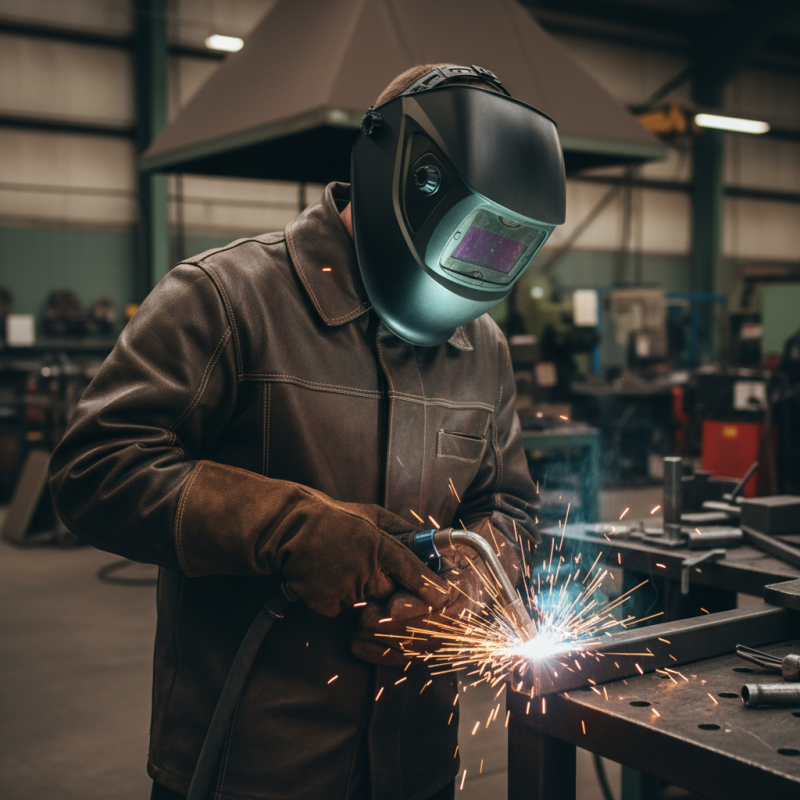
A good welding helmet is essential. It shields your eyes from harmful UV rays and sparks. Additionally, gloves and jackets need to be durable and resistant to heat. You should always verify if the materials used in these products meet safety standards.
However, not all gear fits everyone perfectly. It's common to find discomfort while wearing certain items. Be open to trying different brands or styles. Reflect on your experiences and preferences. Ultimately, the right choice can enhance your safety and comfort during each welding task.
Understanding the Importance of Welding Protection Gear
Welding is a crucial process in many industries, but it poses significant safety risks. Understanding the importance of protection gear is the first step in safeguarding oneself. Without proper gear, welders can face burn injuries, vision loss, and respiratory issues. The intense heat and bright light generated during welding are hazardous. That's why every welder must prioritize their safety.
Different types of protection gear serve various purposes. For example, helmets shield the face from flying sparks and ultraviolet rays. Long sleeves prevent skin burns, while gloves protect the hands from hot materials. Despite having gear, many forget to check for wear and tear. Torn gloves or visors can compromise safety. It's essential to regularly inspect and replace gear when necessary.
Some employees may feel invincible, thinking that they can skip equipment or take shortcuts. This attitude often leads to increased risks and accidents. Reflecting on one’s protective practices can make a huge difference. Each welding project should begin and end with a safety checklist. Ultimately, investing time in understanding and using the right gear is key to maintaining a safe working environment.
Key Types of Welding Protection Gear and Their Functions
Welding protection gear is essential for safety in any welding environment. The main types include helmets, gloves, and protective clothing. Each plays a significant role in safeguarding against hazards.
Welding helmets shield the face and eyes from intense light and flying debris. It’s vital to choose helmets with proper shading. They must fit snugly yet comfortably. Poor-fitting helmets can compromise protection. Consider adjustable options for better comfort over long hours.
Gloves are another crucial layer of defense. They should provide dexterity while protecting hands from heat and sharp materials. Look for gloves with reinforced seams and durable materials. Ensure they are comfy enough for extended use. Remember, tight gloves can affect grip.
When selecting protective clothing, look for flame-resistant fabric. It should cover exposed skin thoroughly. The right clothing can prevent burns. Avoid loose-fitting items, as they can catch fire easily. Regularly inspect your gear for wear and tear, which can happen unnoticed.
Tips: Always prioritize comfort. Uncomfortable gear can distract you from safety. Create a checklist to ensure you have all required pieces before you start welding. Proper gear selection is critical for a safe working environment.
Welding Protection Gear Types and Their Usage
Factors to Consider When Choosing Welding Protection Equipment
When choosing welding protection equipment, several factors come into play. The right gear is crucial for safety. The type of welding determines the equipment you need. Different processes generate different hazards. Think about the heat, sparks, and UV light involved. For MIG welding, for instance, a helmet with appropriate shading is essential.
Comfort also matters. Heavy gear may limit mobility, which can be a problem. Lightweight materials can offer better flexibility. However, they must still provide adequate protection. Also, consider breathability. Hot environments can make intense work unbearable. Look for welding jackets that manage heat effectively.
Fit can be overlooked but is vital. Ill-fitting gloves or helmets can lead to accidents. Try them on if possible. Check for gaps that could expose skin. Don’t ignore maintenance either. Regularly inspect your gear for wear and tear. Not all pieces will withstand heavy use; some may need replacing sooner than expected.
Evaluating Material and Comfort in Welding Protective Gear
When selecting welding protective gear, comfort and material are vital. Heavy-duty leather and flame-resistant fabrics are common choices. These materials help shield against sparks and heat. However, they can feel heavy and unwieldy during long sessions. It’s essential to try on different types to find what suits you best.
Consider breathability. Some materials trap heat, leading to discomfort. A well-ventilated jacket or gloves can make a difference. They may cost slightly more, yet the added comfort is worth it. Additionally, properly fitted gear is crucial. Loose items can get caught or restrict movement. This can lead to dangerous situations.
Assessing weight matters too. While thicker gear offers more protection, it can be tiring to wear. Aim for lightweight options that still meet safety standards. The goal is to balance safety and ease of movement. Reflect on your experiences. What worked? What didn’t? Your feedback and adjustments are essential for long-term satisfaction.
Ensuring Compliance with Safety Standards in Welding Protection
Choosing the right welding protection gear is crucial for safety. Compliance with safety standards ensures that workers are well-protected from hazards. Welders face intense heat, sparks, and harmful UV radiation. Proper gear can prevent burns, eye injuries, and respiratory issues. Selecting equipment that meets safety regulations is essential.
When evaluating welding helmets, look for those labeled with appropriate safety ratings. Ensure the lenses provide adequate UV protection, but remember, comfort matters too. Heavy equipment can lead to fatigue, reducing focus. Gloves and jackets should be made from flame-resistant materials. They must also fit well to avoid accidental burns. Skimping on quality can leave welders vulnerable.
Reflecting on past incidents can highlight the importance of compliance. Many workers underestimate risks until it’s too late. Regular training on safety standards can reinforce the importance of using protective gear. Create a culture of safety where everyone feels responsible. Engage with peers to discuss experiences and share insights. This approach not only promotes safety but also fosters teamwork and awareness.