Best Flow Indicators for Optimal Performance in Industries?
In today's industrial landscape, optimizing performance is crucial for success. One key element in achieving this goal is the effective use of flow indicators. These devices help monitor and measure the flow of liquids and gases in various processes. Understanding flow indicators can enhance operational efficiency and boost productivity.
Flow indicators come in various forms, each suited for different applications. Some are designed to provide visual feedback, while others offer digital readouts for precision. Selecting the right flow indicator can make a significant difference. However, not all flow indicators are created equal. It is essential to assess their reliability and accuracy. Industry professionals often face challenges in choosing the right equipment, leading to potential inefficiencies.
Adopting flow indicators can lead to improved performance, yet it requires careful consideration. Each industry has unique requirements that flow indicators must meet. A mismatch can limit their effectiveness. Therefore, continuous evaluation and adaptability are necessary to maximize benefits. Understanding the importance of flow indicators can ultimately elevate an organization's operational capabilities.
Overview of Flow Indicators in Industrial Applications
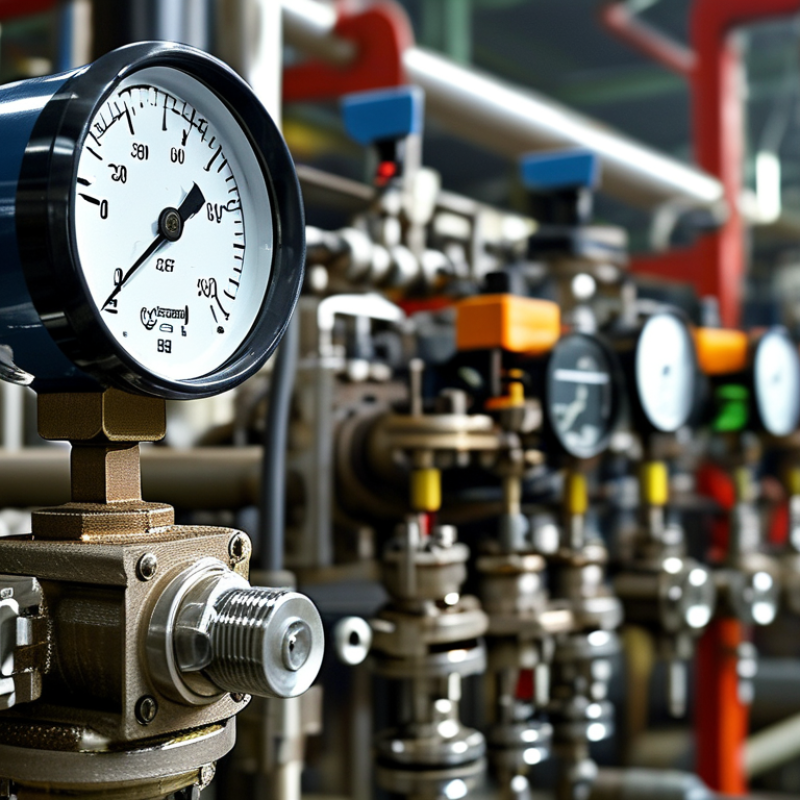
Flow indicators play a critical role in various industrial applications. They help monitor and control the movement of fluids in pipelines. Accurate flow measurements ensure efficient system performance, reducing waste and enhancing safety. Most industries rely on these devices for optimal operation. Various types are available, including magnetic, ultrasonic, and mechanical flow indicators. Each type has its strengths and weaknesses, depending on the specific application.
In the food and beverage industry, for example, hygiene is paramount. The right flow indicator can help maintain cleanliness while providing precise measurements. However, improper installation or calibration may lead to inaccurate readings. This can affect product quality and safety. In contrast, chemical processing industries often use flow indicators that can handle harsh conditions. Yet, these indicators can sometimes give faulty readings due to obstructions or wear. Therefore, ongoing maintenance and calibration are crucial.
The selection of the appropriate flow indicator depends on industry requirements and environmental conditions. It is essential to understand the specific needs of your application. While some indicators provide excellent performance, they may not be suitable for every situation. Ultimately, knowledge and experience are key in choosing the right flow indicator for optimal performance. Regular assessment of flow systems can lead to better efficiency and productivity in industrial applications.
Best Flow Indicators for Optimal Performance in Industries
This chart illustrates the performance of various flow indicators used in industrial applications. The data reflects the efficiency of these indicators based on their utilization in different sectors.
Types of Flow Indicators: Mechanical vs. Electronic
Flow indicators play a crucial role in various industries by helping monitor fluid movement. Understanding the two main types—mechanical and electronic—is key for optimal performance. Mechanical flow indicators use physical components to gauge flow. They often require no external power, making them reliable in emergency situations. However, they may be less precise, especially at low flow rates.
On the other hand, electronic flow indicators offer higher accuracy and can integrate with digital systems. They provide real-time data and often include alarms for abnormal flow. This can be vital in complex industrial processes. Yet, they depend on a power supply, which can be a drawback in specific environments.
In practice, selecting the right indicator depends on the application. Manufacturing processes may benefit from electronic indicators, while simpler systems can use mechanical ones. Assess the installation environment carefully, as temperature and pressure can affect performance. Regular maintenance is essential for both types to ensure longevity and accuracy. Skipping maintenance can lead to inefficiencies. Consider conducting periodic checks to identify potential issues early. Understand your needs and choose accordingly. The right choice can enhance operational efficiency significantly.
Key Factors for Selecting Flow Indicators in Industries
When selecting flow indicators for various industries, several key factors must be considered. Accuracy is paramount. Systems should achieve an accuracy rate of at least 1% to ensure operational efficiency. According to a report by the International Society of Automation, improper flow measurement can lead to significant process inefficiencies, often exceeding 10% in non-compliant setups.
Compatibility with the medium is also crucial. Flow indicators need to withstand the specific characteristics of the fluids they measure. For example, corrosive substances require materials that can resist degradation. The wrong choice can result in leaks or failures, leading to potential safety hazards. A study by the American Society of Mechanical Engineers indicates that about 30% of industrial accidents stem from improperly selected measurement devices.
Installation requirements should not be overlooked. Flow indicators must fit seamlessly into existing systems, which might require additional resources and planning. Regular maintenance can fall short if operators lack clear guidelines or training. Inadequate attention to these details can lead to prolonged downtimes, significantly affecting productivity.
Best Practices for Implementing Flow Indicators Effectively
Implementing flow indicators can greatly enhance operational efficiency. One crucial best practice is ensuring indicators are strategically placed. Position them where they can provide real-time insights. This allows teams to monitor processes closely. For example, visual indicators near workstations help employees stay aware of workflow status.
Training staff on the importance of these indicators is vital. Without understanding, employees may overlook essential data. Regular training sessions can foster a culture of awareness. Encourage team discussions about flow data to engage all levels. Highlight areas that need improvement to cultivate a proactive mindset.
Periodic reviews are essential to assess the effectiveness of flow indicators. Analyze data trends to identify patterns. Reflect on challenges faced in adapting these systems. Gathering feedback from team members can reveal areas for adjustment. This iterative approach ensures continuous improvement of processes. This commitment to refinement strengthens reliability and overall performance.
Future Trends in Flow Measurement and Control Technologies
The future of flow measurement and control technologies is poised for transformation, driven by advancements in digitalization and automation. According to a recent industry report, over 40% of companies are investing in smart flow measurement systems. This shift allows real-time data access, enhancing decision-making capabilities. As industries increasingly adopt IoT solutions, the demand for precise flow indicators has surged. This integration can significantly reduce operational costs and increase production efficiency.
Emerging technologies like artificial intelligence are set to automate flow control. Researchers project a compound annual growth rate (CAGR) of 15% in the flow measurement sector by 2028. This rise is attributed to the need for accurate monitoring in sectors like pharmaceuticals and energy. Businesses must adapt to these changes to maintain a competitive edge. Challenges such as data overload and system integration remain critical hurdles.
For industries looking to improve flow performance, it's vital to prioritize training for staff on new technologies. Another key aspect is choosing systems that offer scalability. Investing in versatile solutions ensures they're equipped for future growth. Additionally, dedicated maintenance schedules can prevent unexpected downtimes. Making these adjustments can lead to significant long-term gains in both efficiency and reliability.