Best Cast Nylon Pipe Suppliers for Global Buyers?
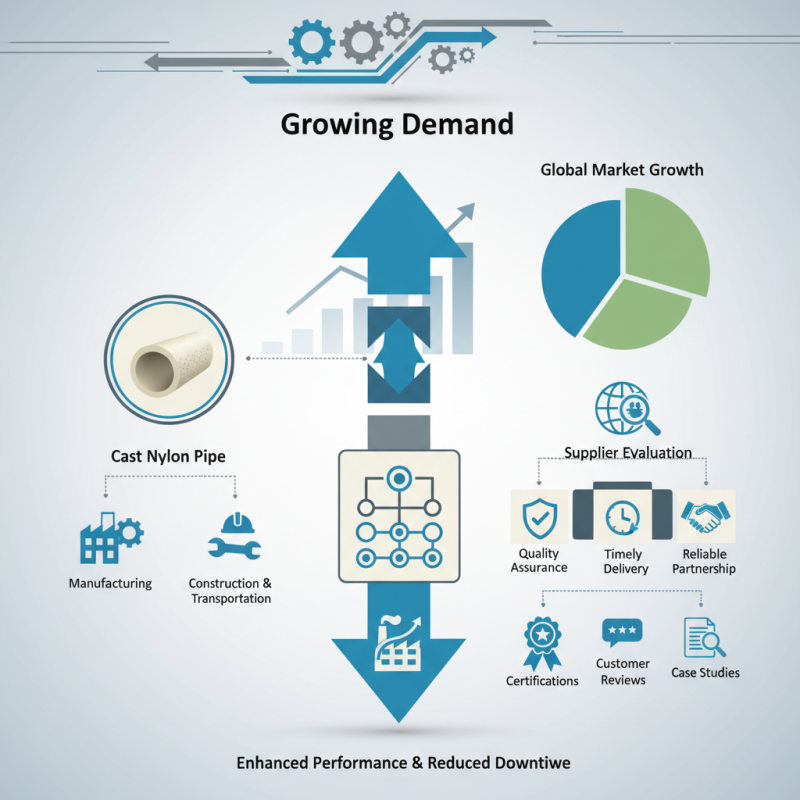
The demand for Cast Nylon Pipe is growing in various industries due to its durability and resistance to wear. According to a report by MarketsandMarkets, the global nylon market is projected to reach USD 30.5 billion by 2027. This surge highlights the crucial role of efficient suppliers in meeting global demand.
Choosing the right supplier can be daunting. Many products vary in quality and pricing, leading to confusion among buyers. High-quality Cast Nylon Pipes are vital for applications in manufacturing, transportation, and construction. They enhance performance while reducing downtime in operations.
Not all suppliers deliver consistently. Some fall short in quality assurance or timely delivery. A reliable partnership is essential. It’s important to research and evaluate supplier credentials. Industry certifications, customer reviews, and case studies offer insight. Selecting the right supplier can significantly impact project outcomes.
Understanding Cast Nylon Pipes and Their Applications
Cast nylon pipes are essential in various industries for their durability and strength. These pipes are made from polyamide, a material known for its resistance to wear and impact. Their lightweight nature makes them easy to handle and install in different applications. Cast nylon pipes also have excellent chemical resistance, making them suitable for transporting fluids in demanding environments.
When selecting cast nylon pipes, buyers should consider specific applications. For example, in manufacturing, these pipes are commonly used for conveyor systems. In construction, they provide reliable solutions for plumbing and drainage systems. They can also serve in the automotive industry, facilitating fluid transfer in engines.
Tip: Always check the specifications before making a purchase. This ensures compatibility with your project requirements.
Another important aspect is the supplier's reputation. Evaluate their experience and customer feedback. Reliable suppliers can provide necessary technical support and guidance.
Tip: Don’t hesitate to ask questions about the pipes’ properties. Understanding how they perform under stress is crucial for long-term reliability.
Choosing the right cast nylon pipe can make a significant difference in operational efficiency. Buyers must prioritize quality to avoid costly replacements later.
Best Cast Nylon Pipe Suppliers Comparison
This chart compares the estimated market shares of various cast nylon pipe suppliers based on their production capacity (in tons). The data represents a fictional overview for illustrative purposes.
Key Features and Benefits of Cast Nylon Pipes
Cast nylon pipes offer several key features and benefits that make them an excellent choice for various applications. They are known for their high strength-to-weight ratio. This property enables them to support heavy loads without adding unnecessary weight to systems. Additionally, cast nylon pipes exhibit remarkable resistance to abrasion. They endure wear and tear in environments where other materials may fail.
Another significant advantage is their excellent chemical resistance. These pipes can withstand exposure to many corrosive substances, making them suitable for industrial use. They have low friction coefficients, which promote smooth fluid flow. This feature often leads to increased efficiency in fluid transport applications. However, it's worth noting that while cast nylon pipes are versatile, they may not be suitable for all situations. Some environments with extreme temperatures might present challenges.
The impact strength of cast nylon is impressive, but it can vary based on specific formulations. This variability necessitates careful consideration when selecting pipes for particular projects. Also, joint integrity can be a concern if not applied correctly. Understanding these nuances is essential for buyers looking to choose the right options. Awareness of these factors will help in making informed decisions, leading to better outcomes in their applications.
Best Cast Nylon Pipe Suppliers for Global Buyers? - Key Features and Benefits of Cast Nylon Pipes
| Feature | Description | Benefits |
| High Strength | Cast nylon pipes exhibit excellent tensile strength and impact resistance. | Durable performance even under heavy loads, reducing the risk of breakdown. |
| Chemical Resistance | Resistant to a variety of chemicals including oils, fats, and solvents. | Suitable for a wide range of industrial applications. |
| Lightweight | Composite material offers significant weight savings compared to metals. | Easier handling and installation, reducing transportation costs. |
| Self-lubricating | Provides low friction surface due to the inherent properties of nylon. | Reduces wear and tear on fittings and joints. |
| Temperature Resistance | Can withstand temperatures up to 120°C without significant loss of properties. | Suitable for high-temperature applications, ensuring longevity. |
Top Global Suppliers of Cast Nylon Pipes
The global market for cast nylon pipes is expanding rapidly. Known for their durability and resistance to wear, these pipes are ideal for various applications. When looking for top suppliers, consider their reputation and experience in the industry. Suppliers should demonstrate expertise in manufacturing and provide a range of sizes and grades.
Tips: Check for certifications that affirm quality standards. A reputable supplier will have a solid track record of delivering reliable products. Engage with customer reviews, as they offer insights into the supplier's reliability.
Additionally, pricing is an essential factor. While low-cost options may be tempting, they may compromise on quality. It is advisable to compare quotes from multiple suppliers. Pay attention to shipping policies and lead times, as they can significantly impact your project timelines.
Tips: Establish communication with potential suppliers to assess their responsiveness. A supplier's willingness to engage can be indicative of their commitment to customer service. Always request samples to evaluate the product quality before committing to a purchase.
Factors to Consider When Choosing a Supplier
When selecting a supplier for cast nylon pipes, several crucial factors come into play. Quality assurance is paramount. Thoroughly vet potential suppliers for certifications and industry standards. Look for documented proof of their manufacturing processes. This evidence reflects a commitment to reliability and consistency.
Also, consider the supplier's experience in the industry. An experienced supplier is likely to understand the unique needs of various applications. They can provide valuable insights on material selection and application-specific performance. Engage in conversations with them to gauge their expertise. It’s essential to have a supplier who understands your requirements fully.
Pricing is another significant aspect, but don’t let it overshadow quality. Sometimes lower prices can result in compromised materials. Evaluate the cost against the durability and reliability of the pipes. A pipe that fails prematurely can incur higher long-term costs. Take time to research and compare different suppliers, weighing all factors carefully before making a decision.
Comparative Analysis of Supplier Pricing and Quality
When selecting cast nylon pipe suppliers, pricing and quality are paramount. Many suppliers offer varying prices based on materials and manufacturing processes. Some suppliers may provide lower-cost options, but the quality may be inconsistent. It is essential to scrutinize their manufacturing standards to ensure durability and reliability. Investigate the supplier’s track record and seek customer reviews for better insights.
Tips: Always request product samples before making a bulk purchase. Testing the material can save you from costly mistakes. Contact previous clients for feedback on their experiences. This will help gauge the supplier's reliability.
Quality often correlates with price, but this isn't a hard rule. Some high-priced suppliers may not deliver the best products. Conversely, budget options might surprise you with their performance. Evaluating suppliers thoroughly can prevent reliance on assumptions. Consider factors like production methods and quality certifications.
Tips: Pay attention to contract terms. Understanding your obligations and the supplier's guarantees can protect your investment. Establish clear communication about expectations to foster a transparent relationship.