What Is the Best Bow Type Laying Up Machine in 2026?

Choosing the best Bow Type Laying Up Machine in 2026 is not a brochure contest. It is a production decision. Fabric width, bow distortion, ply tension, lay length, and operator workflow all affect whether a machine performs well on the cutting-room floor. A smooth lay matters. So does repeatability.

The scale of the textile supply chain makes careful equipment selection relevant. Textile Exchange’s Materials Market Report 2024 estimated global fiber production at 124 million tonnes in 2023. That figure describes the wider industry, not demand for any particular laying machine. It does, however, underline why buyers should test equipment against their own fabrics and production volumes. Apparel manufacturing researcher Dr. Rajkishore Nayak offers a relevant research perspective on garment production, but I could not verify a direct, machine-specific quotation from him. I will not invent one.

The comparison ahead focuses on measurable details: usable fabric width, alignment control, spreading speed, changeover time, and after-sales support. Ask suppliers to demonstrate the machine with your actual fabric roll. Watch the plies at the edges. Check whether the bow relaxes or returns after spreading. Small differences show up quickly.

There is no universal winner. A compact factory may value easy setup; a high-volume line may prioritize consistent speed and reliable service. A specification sheet can hide real trade-offs. The best choice is the one that handles your fabric reliably, shift after shift.
What Is the Best Bow Type Laying Up Machine in 2026?

Definition and Working Principle of a Bow-Type Laying-Up Machine

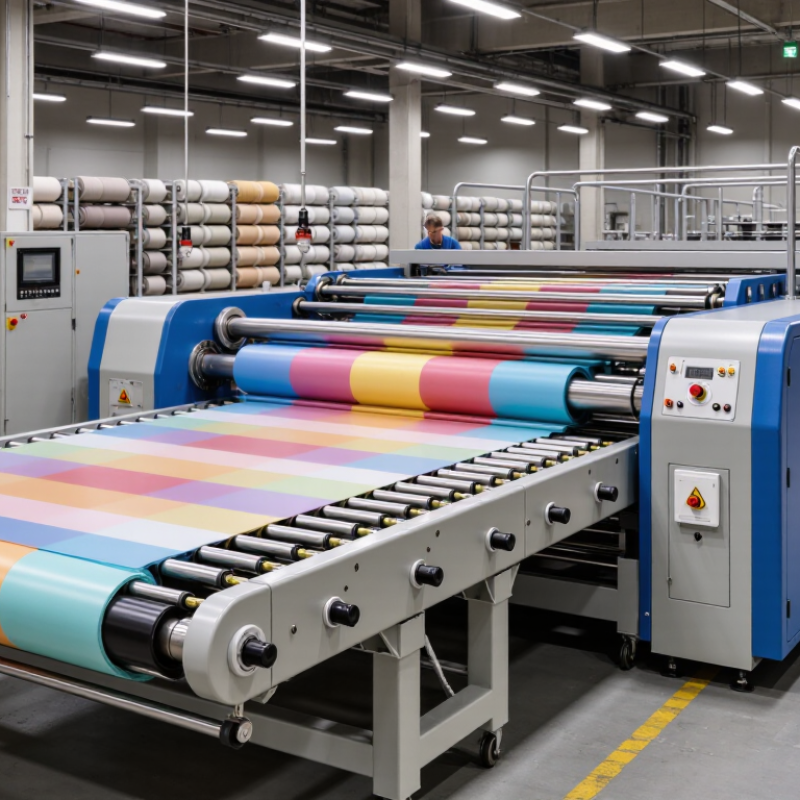
A bow-type laying-up machine is a textile spreader that places fabric in flat, even layers on a cutting table. It is designed to manage fabric width and alignment as material moves from a roll to the lay. The machine typically includes a roll stand, a spreading carriage, guides, and a curved bow-shaped roller.

Small errors matter.

During operation, the carriage travels along the table while feeding fabric at a controlled rate. The bowed roller helps open the material across its width and can reduce wrinkles or uneven edges. The operator sets the fabric tension, carriage speed, and layer length to suit the material. Working settings vary: a light knit may stretch easily, while a heavier woven fabric may need steadier handling. If the tension is too high, layers can shift or distort after cutting. The bow-shaped roller is useful, but it cannot correct every fabric defect. Checking the edges and surface during spreading remains important, even when the machine appears to run smoothly.

Main Components and Bow-Type Machine Designs

A bow-type laying-up machine typically combines a rigid frame, material unwind stand, tension controls, a bow-shaped spreading roller, and a receiving table or conveyor. The roller’s curved profile helps open the moving sheet across its width and reduce wrinkles before layers are placed. Adjustable guides keep the edges aligned. A simple control panel may regulate speed and roller position.

Details matter. Operators should check how the machine handles the actual material, including its width, thickness, surface, and tendency to stretch. A setup that works well with woven fabric may not suit a tacky composite sheet. That sounds obvious, but it is easy to overlook during selection. Manual-adjustment designs are often easier to understand and maintain, while powered systems can improve repeatability on longer runs. More automation is not automatically better. Look closely at tension stability, access for cleaning, guarding, and whether adjustments can be made without disrupting the layup. Ask for a trial using representative material; a wrinkle-free sample at low speed can still behave differently during continuous production. I would avoid naming one design as universally best. Machine fit depends on the process, and small edge shifts can matter.

Materials and Production Applications

A bow-type laying-up machine should be chosen around the materials it will handle, not just its advertised speed. Its curved spreading element can help open fabric width and reduce wrinkles before layers are stacked or cut. The result depends on fabric construction, tension settings, roller contact, and operator setup.

Woven cotton and polyester often need steady tension to keep edges aligned. Stretch knits need gentler handling, since excessive pull can distort loops and change the finished panel size. Coated textiles may require a surface that will not mark or drag the coating. For prepreg materials, check compatibility with resin tack and any release liner. Test a sample first.

These machines can serve apparel, upholstery, filtration, insulation, and composite layup production. Wider rolls may suit large panels, while narrower setups can reduce waste on smaller parts. Ask suppliers for trials using the actual material, roll width, and target lay length. A smooth test run is useful, but it does not prove consistent results across a full shift. That assumption can fail. Record wrinkles, edge drift, and material waste during production, then adjust speed and tension before committing to a setup.

Key Performance Factors for Comparing Machines

A bow-type laying-up machine should be judged by how reliably it handles your actual materials, not by headline speed alone. Check the usable working width, ply-length range, and supported material thickness. Then confirm that the machine can maintain steady tension without stretching or wrinkling the roll. Small errors accumulate.

Placement accuracy matters on curved or narrow panels. Ask for repeatability data, and test the machine with a representative roll rather than a convenient sample. Watch the material edge as it moves across the table. Does it drift? Can the cutter produce clean ends without pulling fibers? Record scrap, setup time, and operator adjustments during the trial. One test is not enough.

Output rate is useful only when quality stays consistent across a full shift. Compare changeover time, control-system clarity, and how easily operators can correct a feed or alignment issue. A fast machine can still waste material. Maintenance access matters, too: routine cleaning should not require awkward disassembly. There is no universal winner, and published specifications may not reflect your floor conditions. I would leave some room for doubt until the machine has run your own material and work pattern.

How to Select a Bow-Type Laying-Up Machine in 2026

The best bow-type laying-up machine in 2026 depends on your fabric, table, and cutting plan. Do not choose by advertised speed alone. Ask for a trial using your own fabric rolls. Lightweight knits may curl or stretch, while heavier cloth can demand more stable roll handling. Watch the edges closely. If layers drift or wrinkles remain, a higher rated speed will not solve the problem.

Check the usable fabric width, maximum roll weight, lay length, and required ply height against your daily orders. Confirm how the bow roller is adjusted and whether operators can make repeatable settings for different materials. Ask about tension control, edge alignment, and spreading modes. Measure the space around the cutting table, too; loading access can be overlooked. Test real fabric.

During a trial, inspect the first, middle, and final plies for tension, skew, and surface creases. Record setup time and fabric waste, not just cycles per minute. This gives buyers a fair comparison across machines. Request training details, routine maintenance intervals, spare-part availability, and local technical support before purchase. A simple control panel may suit a small team, but it is not automatically easier to use. Operator feedback matters, and one trial may not represent every fabric in production. That judgment can be wrong; test the materials that cause the most trouble.

What Is the Best Bow-Type Laying-Up Machine in 2026? How to Select a Bow-Type Laying-Up Machine
Selection factor What to assess Best fit or practical guidance Why it matters Questions to ask the supplier
Product and application Conductor material, number of elements, finished cable construction, and intended use. Choose a machine configuration designed for the specific cable or conductor construction; confirm compatibility with the actual materials and production process. Machine suitability depends on the product being laid up, not on a single universally “best” machine type. Can the machine run samples made with our materials, element count, and finished construction?
Bow arrangement Number and arrangement of bows, rotating assembly design, and the product’s required lay. A single-bow arrangement may suit applications where its capacity and operating characteristics meet the production requirement. Consider other bow arrangements only after confirming product compatibility and demonstrated output. The rotating assembly affects machine layout, operating conditions, and the range of products that can be made. Which product constructions are supported, and what production limits apply to each configuration?
Production capacity Required output, operating shifts, changeover frequency, and expected product mix. Compare output for the exact product and process conditions rather than relying on a maximum speed quoted without context. Achievable output can depend on conductor size, lay length, loading, take-up, and operating conditions. Can you provide a production estimate for our product, including the assumptions and expected changeover time?
Lay-length control Required lay length, adjustment range, repeatability, and how settings are controlled. Select a control system that covers the product specifications and allows operators to set and verify lay parameters consistently. Lay length is a key construction parameter and must remain within the product’s specified tolerances. How is lay length set, measured, and checked during production?
Tension and payoff Payoff arrangement, tension control, reel compatibility, and the behavior of each element during operation. Match payoff and tension options to the materials, element sizes, and reel formats used in the product range. Uneven or unsuitable tension can affect the consistency and quality of the laid-up product. What tension-control options are available, and how are they adjusted for different materials and reel sizes?
Take-up capacity Finished-product diameter, reel dimensions, reel weight, and unloading method. Specify take-up equipment around the largest and heaviest production reels required, while checking that it also works for smaller products. A mismatch between the machine and reel requirements can restrict production or complicate handling. What reel dimensions and maximum reel weight are supported by the proposed take-up system?
Changeovers and flexibility Number of product variants, setup steps, tooling changes, and recipe storage. For frequent product changes, prioritize accessible adjustments, clear setup procedures, and controls that can store relevant production settings. Changeover time affects usable production capacity, especially when many product sizes are run in small batches. Which changes require tooling or mechanical adjustment, and how long do typical changeovers take?
Controls and safety Operator interface, guarding, interlocks, emergency stops, and applicable workplace requirements. Choose controls and safeguards appropriate to the machine layout, operating process, and local regulations. Rotating machinery requires suitable risk controls, safe access, and clear operating procedures. What safeguards are included, and what safety documentation is provided for installation and operation?
Installation and maintenance Floor space, foundations, power supply, compressed air if required, access for maintenance, and spare parts. Confirm site requirements and service arrangements before finalizing the machine specification. Installation constraints and maintenance access can affect commissioning time and long-term availability. What are the installation requirements, recommended maintenance intervals, and spare-parts lead times?
Acceptance testing Product samples, run duration, quality checks, output measurement, and agreed acceptance criteria. Request a documented test using representative materials and product specifications before purchase or final acceptance. A product-based test helps verify that the selected configuration meets actual production needs. Can acceptance criteria cover product quality, operating stability, and output under agreed test conditions?
Practical conclusion: The best bow-type laying-up machine in 2026 is the configuration that has been verified against your product construction, required output, lay specifications, reel format, site conditions, and safety requirements. Compare suppliers using the same product samples and documented test criteria; do not select on headline speed alone.