Discover the Best Akron Abrasion Tester for Your Needs?
When selecting the right Akron Abrasion Tester, understanding its significance in material testing is crucial. Abrasion resistance is vital for various industries, as it reflects durability and longevity. According to a recent industry report, over 30% of material failures are attributed to wear and tear, highlighting the importance of proper testing.
Akron Abrasion Testers measure how materials can withstand friction and contact with abrasive surfaces. This data helps manufacturers optimize product performance. Experts note that products showing higher abrasion resistance can yield a 15% to 25% increase in lifespan. Such insights underscore the need for reliable testing methods.
Ultimately, finding the best Akron Abrasion Tester means choosing quality and accuracy. It's important to evaluate specifications, user reviews, and manufacturer credibility. Many options exist, yet not all deliver precise results. Failing to address this might lead to costly production inconsistencies. Balancing cost and quality remains a challenge for many in the industry.
What is an Akron Abrasion Tester and Its Importance?
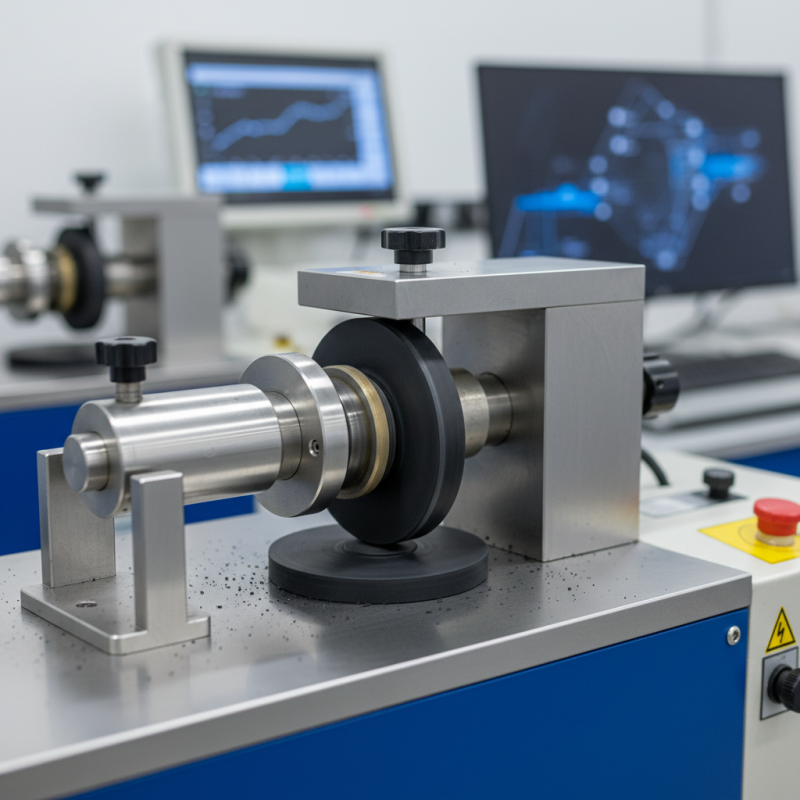
An Akron Abrasion Tester is essential for assessing the wear resistance of materials. This device simulates real-world conditions. It measures how a material withstands abrasion. Businesses use it to ensure product durability and quality.
When choosing an Akron Abrasion Tester, consider your specific needs. Different models offer varying features. Think about what materials you will test. Standard testing parameters can help. However, always remember that results may vary. Testing methodologies might not be perfect. It’s crucial to understand and adapt your approaches based on findings.
Tip: Regular maintenance of the tester ensures accurate results. Dust and debris can affect the testing process. Clean the machine after every use. Always calibrate it according to the manufacturer’s guidelines.
Another important factor is your testing environment. Temperature and humidity can impact readings. Be cautious of these variables to ensure reliable data. Sometimes, you may need to retest for confirmation. Adjust protocols as necessary to obtain consistent results.
Types of Akron Abrasion Testers Available on the Market
When choosing an Akron abrasion tester, understanding the types available is crucial. There are several prominent models, each tailored for specific testing needs. The most common types include rotary, linear, and specific wear testers. Rotary testers, like the Taber, measure the wear of materials under controlled conditions. This is particularly useful for coatings and thin films.
Linear testers, on the other hand, simulate wear in a back-and-forth motion. This type can be beneficial for evaluating fabrics and carpets. According to industry reports, the linear testers can provide insights into product durability. In fact, studies show that materials tested with this method exhibit a 25% variability in wear rates.
Specific wear testers are engineered for niche applications, such as rubber or plastics. However, it's important to note that not all testers produce consistent results across different materials. The variability in testing due to factors like sample preparation can lead to inconsistent data. Proper calibration and validation are essential for reliable outcomes. Understanding these nuances helps ensure that the chosen Akron abrasion tester meets your specific requirements effectively.
Key Features to Consider When Choosing an Akron Abrasion Tester
When choosing an Akron abrasion tester, it’s essential to focus on key features that ensure reliability and accuracy. The sample size capacity should be suitable for the types of materials you typically test. A small capacity might limit your testing capabilities. Look for models that offer adjustable test conditions, as this flexibility can be valuable for varied materials. The ability to adjust load and speed can also significantly impact test results.
Another important feature is the data output options. Select a model that provides clear, interpretable data. This is crucial for comparing results over time. Some testers offer advanced software integration for better analysis. Furthermore, consider the machine's durability and ease of maintenance. A robust design can withstand frequent use, saving costs on repairs.
User experience often highlights the setup process. Some testers may have a steep learning curve, making them challenging for new users. You might encounter issues if the user manual is unclear. Testing laboratories often share insights on the importance of calibration. Regular calibration checks ensure your machine's results remain consistent and trustworthy. Reflect on these aspects before finalizing your choice.
How to Properly Use an Akron Abrasion Tester for Accurate Results
Using an Akron Abrasion Tester properly is essential for obtaining accurate and reliable results. The ASTM D4060 standard highlights that controlled testing environments greatly influence outcomes. This means that temperature, humidity, and surface preparation should be consistent. For example, if the sample surfaces are not properly cleaned, the test results can be significantly skewed, leading to erroneous conclusions.
Calibration of the equipment is another critical factor. Regular calibration ensures that readings remain precise, which is paramount for comparisons over time. According to industry reports, inaccuracies in testing equipment can lead to a misunderstanding of material performance, potentially costing companies time and resources. It’s recommended to perform regular checks, replacing worn parts as needed and consulting maintenance logs.
Lastly, documenting each test meticulously is vital. Noting the conditions under which the tests are performed provides insights for future testing. By understanding variables, teams can better assess how materials behave under real-world conditions. Emphasizing documentation helps create a clearer picture of abrasion resistance over time, allowing for informed decisions.
Akron Abrasion Tester Performance Comparison
Maintenance Tips for Ensuring Longevity of Your Akron Abrasion Tester
Maintaining your Akron Abrasion Tester is crucial for its longevity and accuracy. Proper care ensures reliable performance and extends the device's lifespan. Regular maintenance helps avoid costly repairs and inaccurate results.
Tips for upkeep include regular cleaning after each use. Dust and debris can accumulate, affecting the accuracy of your tests. Consider using soft brushes or compressed air for delicate parts. Another important aspect is calibrating the machine periodically. Calibration checks maintain precision in measurements. Remember to refer to the manual for specific calibration procedures.
Store your tester in a controlled environment. Extreme temperatures and humidity can damage sensitive components. A designated storage space reduces wear and tear. It's essential to inspect the device regularly for signs of wear. Look for loose screws or frayed cables. Addressing these issues early prevents larger problems later. Taking these steps ensures your Akron Abrasion Tester remains reliable and effective.
Discover the Best Akron Abrasion Tester for Your Needs? - Maintenance Tips for Ensuring Longevity of Your Akron Abrasion Tester
| Tester Model | Abrasion Resistance (cls) | Weight (lbs) | Dimensions (inches) | Price ($) | Maintenance Tips |
| Model A | 100 | 50 | 24 x 16 x 12 | 1200 | Regularly check and replace wear components. |
| Model B | 90 | 45 | 22 x 14 x 10 | 950 | Keep the equipment clean and lubricated. |
| Model C | 105 | 60 | 26 x 18 x 14 | 1350 | Inspect electrical connections periodically. |
| Model D | 95 | 55 | 23 x 15 x 11 | 1100 | Calibrate regularly to ensure accuracy. |